Durable Joints in Stairs and Walls: How to Ensure Resistance to Wear and Weather

Durable Joints in Stairs and Walls: How to Ensure Resistance to Wear and Weather
Joints are the unsung heroes of masonry. They hold bricks or stones together, seal out moisture, and give the structure its finished look. Yet, because they’re constantly exposed to weather, temperature changes, and physical wear, joints require special attention—especially in stairs, foundations, and exterior walls, where stress is greatest. Here’s a practical guide to creating durable joints that can stand up to time, traffic, and the American climate.
Why Joints Matter So Much
Mortar joints typically make up 15–20 percent of a wall’s surface area, and their condition has a major impact on the structure’s lifespan. Cracked or porous joints can allow water to penetrate, leading to freeze-thaw damage, spalling, and even structural weakening. In outdoor stairs and retaining walls, where water and de-icing salts are common, the risk is even higher.
Good joints aren’t just about appearance—they’re essential for strength and durability. A well-made joint is tight, flexible, and suited to both the masonry material and the local environment.
Choosing the Right Mortar
The choice of mortar is critical to long-lasting joints. Many assume that stronger mortar is always better, but that’s a misconception. Mortar should be compatible with the masonry—it needs to move with the material, not against it.
- For historic or soft brickwork, use a lime or lime-cement mortar. It’s more breathable and flexible, allowing moisture to evaporate and reducing the risk of cracking.
- For modern masonry or concrete block, a mortar with a higher cement content may be appropriate, especially in high-traffic areas like steps or entryways.
- For exposed or high-moisture areas, consider a mortar with hydraulic lime or polymer additives for extra strength and water resistance.
The key is balance: the mortar should be strong enough to resist wear but not so hard that it damages the masonry over time.
Proper Application – The Key to Longevity
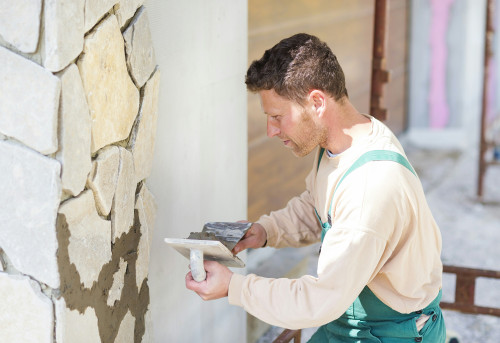
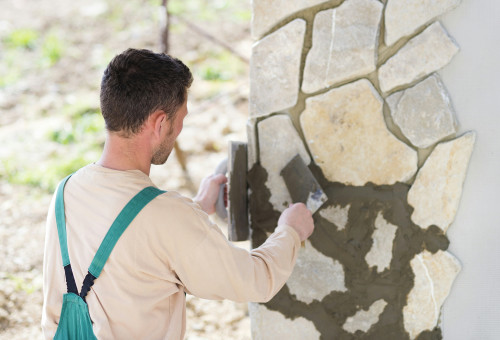
Even the best mortar won’t last if it’s applied incorrectly. Good joint work requires patience and precision.
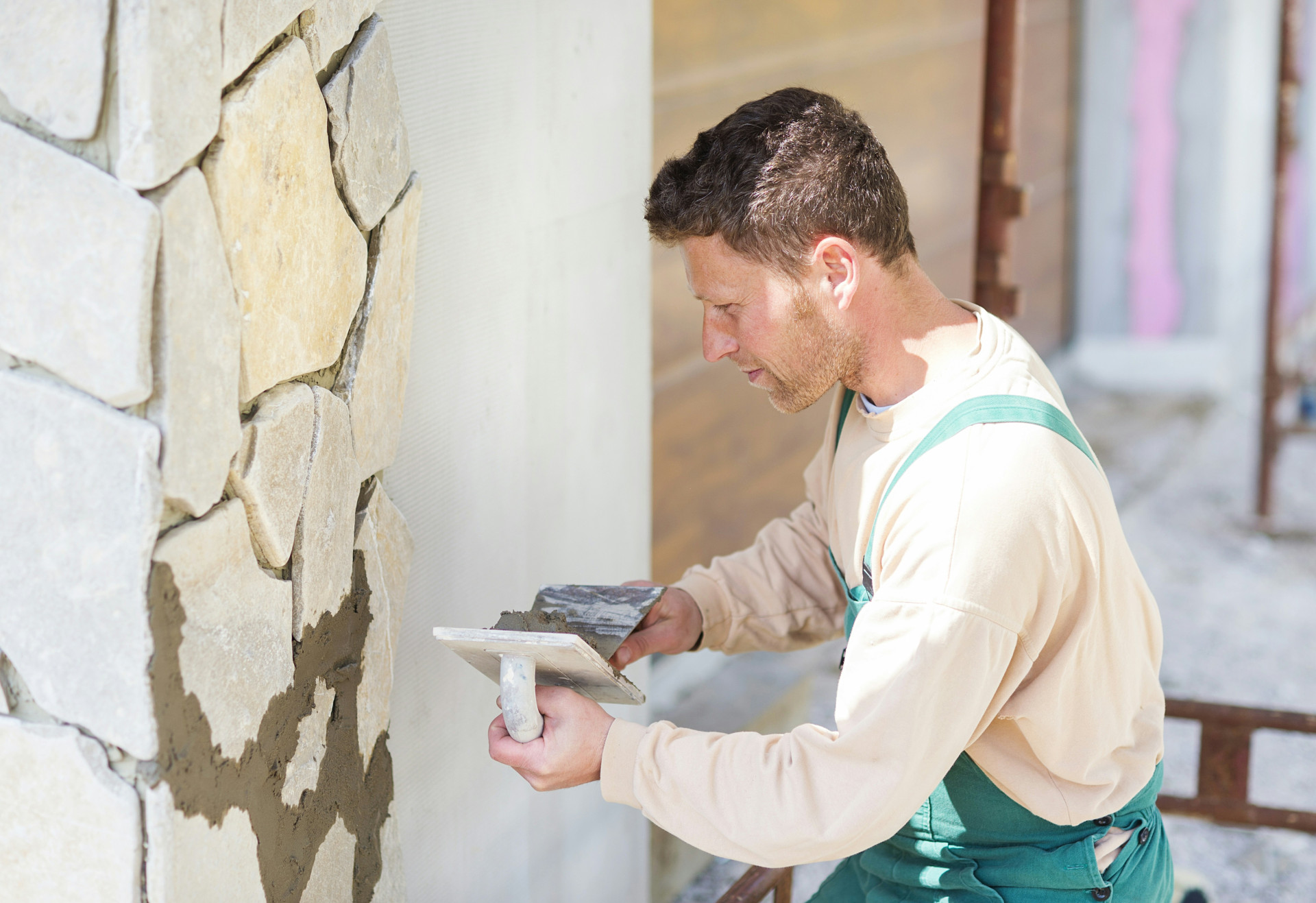
- Clean thoroughly – Remove all loose or deteriorated mortar and dust so the new mix can bond properly.
- Control moisture – The masonry should be slightly damp, not bone dry, before repointing. This prevents the mortar from drying too quickly.
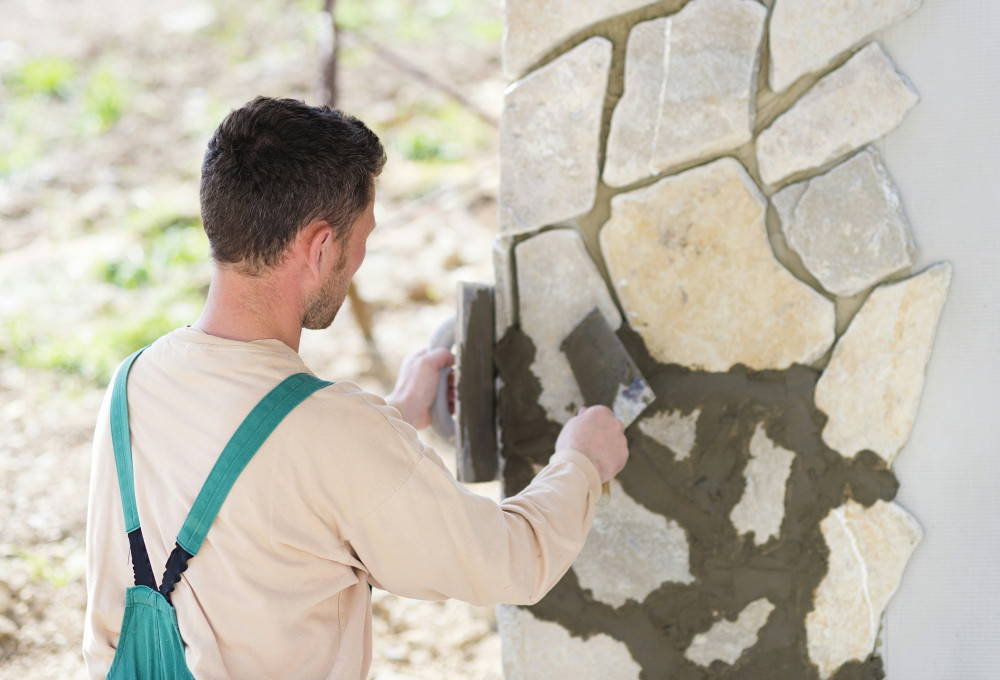
- Pack joints tightly – Press the mortar firmly into the joint to eliminate voids where water could collect.
- Shape the joint correctly – A slightly recessed or sloped profile helps shed water and prevents freeze damage.
- Cure carefully – Protect new joints from rain, frost, and direct sun for several days to ensure even curing.
Attention to these details can add decades to the life of your masonry.
Maintenance and Repair
Even the best joints wear down over time. Regular inspection is essential—especially after winter, when freeze-thaw cycles and road salt can take their toll.
- Inspect annually for cracks, gaps, or crumbling mortar.
- Repair damage promptly before water infiltration worsens the problem.
- Avoid pressure washing, which can erode joints and force water into the wall.
- Use gentle cleaning methods, such as a mild detergent and a soft brush, to remove dirt or algae.
If joints are severely deteriorated, full repointing may be necessary. Though it’s a bigger job, it significantly extends the life of the structure.
Special Considerations for Stairs and Foundations
Stairs and foundations face unique challenges: heavy foot traffic, ground moisture, and freeze-thaw stress. Here, durability and flexibility must go hand in hand.
- Ensure proper drainage so water doesn’t pool on steps or at the base of walls.
- Use frost-resistant materials and mortars designed for repeated freeze-thaw cycles.
- Consider a breathable water repellent, such as a silane/siloxane treatment, to protect against moisture without trapping vapor inside.
A well-built stair joint can last for decades if it’s properly maintained and protected from water.
Læs også:
When to Call a Professional
Small repairs can often be handled by a skilled homeowner, but for extensive damage or older structures, it’s wise to consult a masonry professional. An experienced mason can diagnose the root cause of joint failure—whether it’s the wrong mortar mix, moisture intrusion, or structural movement—and recommend the best solution.
While professional help may seem like an added expense, it often saves money in the long run by preventing recurring damage and preserving the integrity of your masonry.
An Investment in Strength and Beauty
Durable joints are about more than just function—they preserve the character and craftsmanship of your home. A clean, even joint line enhances the look of brick or stonework while protecting it from the elements.
With the right mortar, careful workmanship, and regular maintenance, your stairs and walls can remain strong and beautiful for generations—no matter what the weather brings.
Læs også: