From Craftsmanship to Design: The Influence of Tradition on Modern Flooring


From Craftsmanship to Design: The Influence of Tradition on Modern Flooring
Floors are more than just surfaces we walk on. They set the tone for a room’s atmosphere, style, and comfort — and they represent a meeting point between tradition and innovation. Today, there’s a growing appreciation for materials and techniques rooted in classic craftsmanship, reinterpreted through the lens of modern design. From matte-finished hardwood to patterned tiles and sustainable materials, the legacy of traditional flooring continues to shape contemporary interiors across the United States.
The Legacy of Craftsmanship in Modern Materials
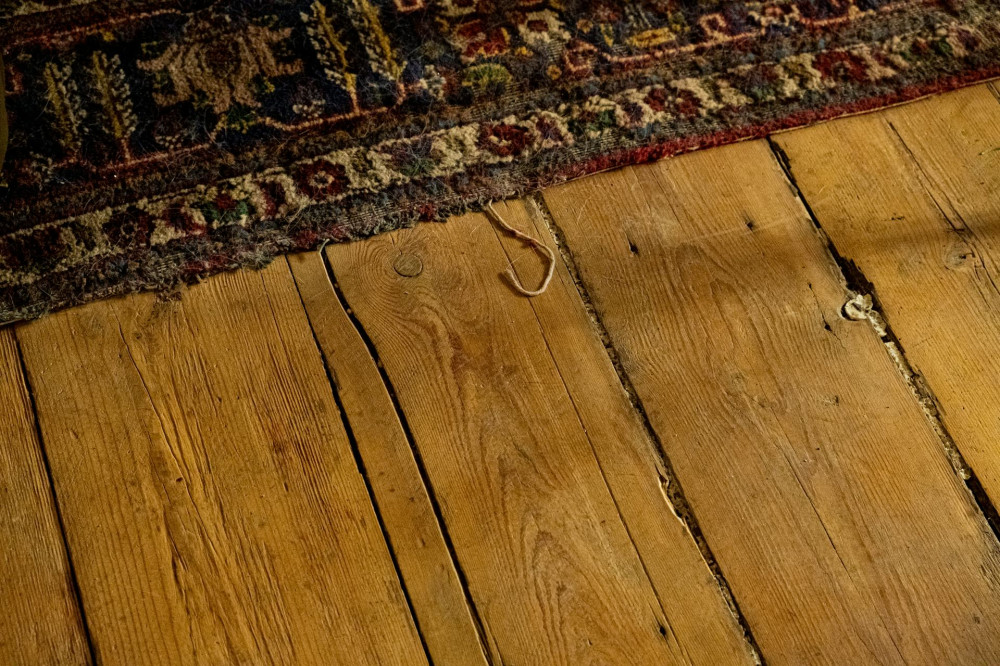
Historically, flooring was created with care, precision, and respect for natural materials. Early American homes featured hand-hewn planks, locally quarried stone, and handmade tiles — each reflecting the resources and skills of the region. That same spirit of authenticity is being revived today, as designers and homeowners seek materials that tell a story and age gracefully.
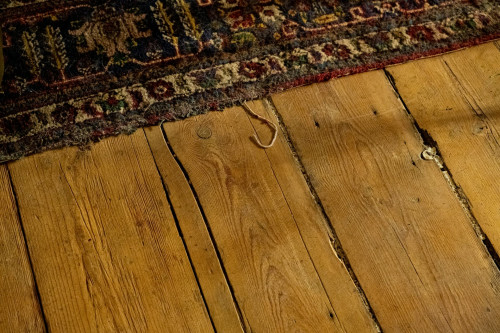
Hardwood floors are a prime example. The wide-plank oak and pine floors found in colonial homes are inspiring modern interpretations that combine traditional aesthetics with advanced finishes. Natural oils and low-VOC sealants enhance the wood’s texture while improving durability and sustainability. The result is a floor that feels timeless yet perfectly suited to contemporary living.
Patterns and Traditions Making a Comeback
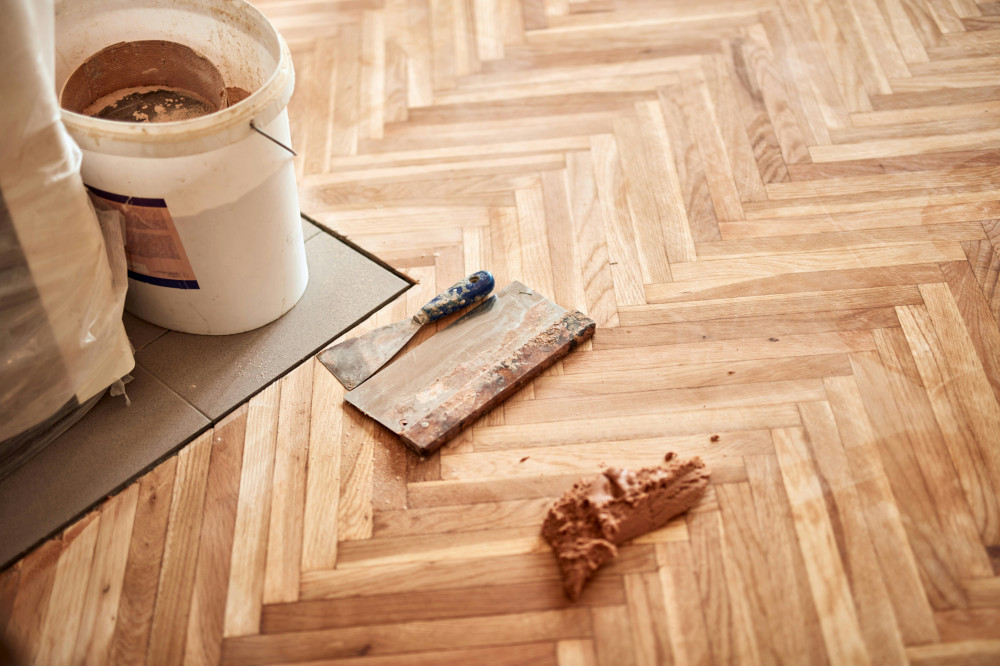
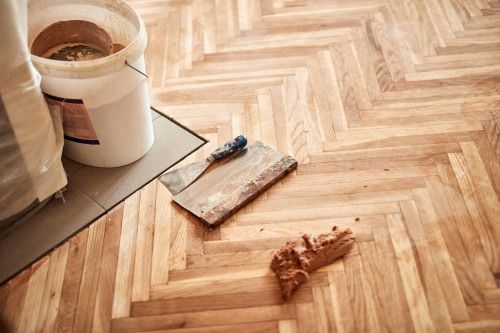
Many of today’s most popular flooring patterns have deep historical roots. Herringbone, chevron, and basketweave designs — once painstakingly laid by skilled artisans — are now being revived with precision manufacturing and modern installation techniques. These patterns bring a sense of craftsmanship and rhythm to modern spaces, bridging the gap between old-world artistry and new-world design.
The herringbone pattern, in particular, has seen a resurgence in American homes. Once reserved for grand estates and historic buildings, it now appears in urban lofts and suburban homes alike. Paired with minimalist furniture and neutral palettes, it creates a dialogue between tradition and modernity that feels both sophisticated and personal.
Sustainability as a Modern Form of Craftsmanship
Today’s focus on sustainability echoes the resourcefulness of traditional craftsmanship. In the past, materials were used thoughtfully — floors were repaired, refinished, and repurposed rather than replaced. That mindset is returning, with growing interest in reclaimed wood, locally sourced materials, and eco-friendly production methods.
Bamboo, cork, and linoleum are examples of materials that merge traditional knowledge with modern technology. They’re renewable, durable, and capable of bringing warmth and texture to both classic and contemporary interiors. In many ways, sustainability has become the new craftsmanship — a commitment to quality, longevity, and respect for natural resources.
Design That Tells a Story
A floor can be a design statement, but it can also be a narrative — a reflection of place, history, and human touch. Architects and interior designers increasingly view flooring as a storytelling element, one that connects a home’s aesthetic to its cultural or regional roots.
Choosing a floor with traditional influences means embracing a piece of heritage. Whether it’s a reclaimed barnwood plank from the Midwest, a hand-painted tile inspired by Southwestern motifs, or a marble mosaic reminiscent of early American architecture, each choice carries meaning. These materials remind us that design is not just about appearance — it’s about continuity and connection.
Læs også:
From Workshop to Home
Even in an age of industrial production, there’s renewed interest in the handmade. Many flooring manufacturers collaborate with artisans to preserve traditional techniques — hand-scraping, wire-brushing, or custom staining — to give each floor a unique character. This blend of technology and craftsmanship ensures that modern floors are not only functional and beautiful but also rich in authenticity.
The tactile quality of a hand-finished surface or the subtle variation in a handcrafted tile adds depth and individuality that machines alone cannot replicate. It’s this human touch that transforms a floor from a product into a piece of art.
Tradition as Inspiration for the Future
When we talk about modern flooring today, we’re really talking about values — quality, sustainability, and respect for materials. The traditions of craftsmanship remind us that good design takes time and that every material has a story worth honoring. By building on the techniques of the past, we can create floors that are not only beautiful and durable but also meaningful — floors that will stand the test of time and continue to inspire for generations to come.
Læs også: