How to Protect Fragile Items During Moving and Storage

How to Protect Fragile Items During Moving and Storage
When it’s time to move or store your belongings, fragile items often cause the most worry. Glassware, ceramics, electronics, and family heirlooms can easily be damaged if not packed and handled properly. Fortunately, with the right preparation and a few smart techniques, you can greatly reduce the risk of breakage. Here’s a practical guide to help you protect your fragile items during both moving and storage.
Preparation: Plan and Organize
A smooth move starts with good planning. Begin by sorting your fragile items so you know which ones need special care. You can group them into categories such as glass, porcelain, electronics, and decorative pieces.
Make a list of your most valuable or irreplaceable items, and consider transporting them separately—perhaps in your own car rather than in the moving truck. This is especially important for heirlooms, artwork, or high-value electronics.
Choose the Right Packing Materials
The quality of your packing materials makes a big difference in how well your items survive the move. Avoid old or worn boxes, and invest in sturdy moving boxes and protective materials.
Here are some of the most effective options:
- Bubble wrap – Ideal for glass, porcelain, and electronics. It cushions impacts and prevents scratches.
- Packing paper or tissue paper – Great for wrapping between layers of items. Avoid using newspaper directly on delicate surfaces, as the ink can transfer.
- Foam sheets or packing peanuts – Fill empty spaces in boxes to prevent items from shifting during transport.
- Blankets and towels – Useful for wrapping larger items like mirrors, lamps, or framed art.
Be sure to label boxes clearly with “FRAGILE” and mark which side should face up.
How to Pack Fragile Items
When packing, the goal is to create stability and prevent movement. Always place a layer of cushioning material at the bottom of each box before adding items.
- Glasses and cups: Wrap each piece individually in bubble wrap or packing paper. Place them upright in the box rather than stacking them.
- Plates: Pack them vertically, like records, with paper or foam between each one. This reduces the risk of cracking under pressure.
- Electronics: Remove loose parts and pack cords separately. Use the original packaging if you still have it—it’s designed for protection.
- Mirrors and framed pictures: Cover the surface with cardboard or foam, then wrap the entire frame in bubble wrap. Store them upright, not flat.
Fill all empty spaces so nothing can move around. Seal boxes securely with strong packing tape.
During the Move
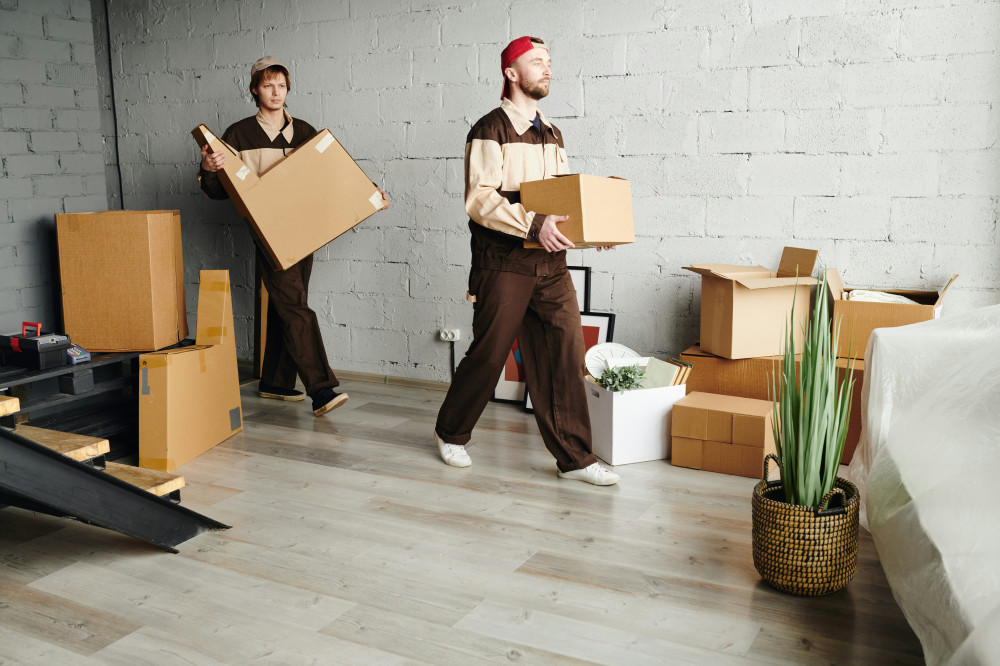
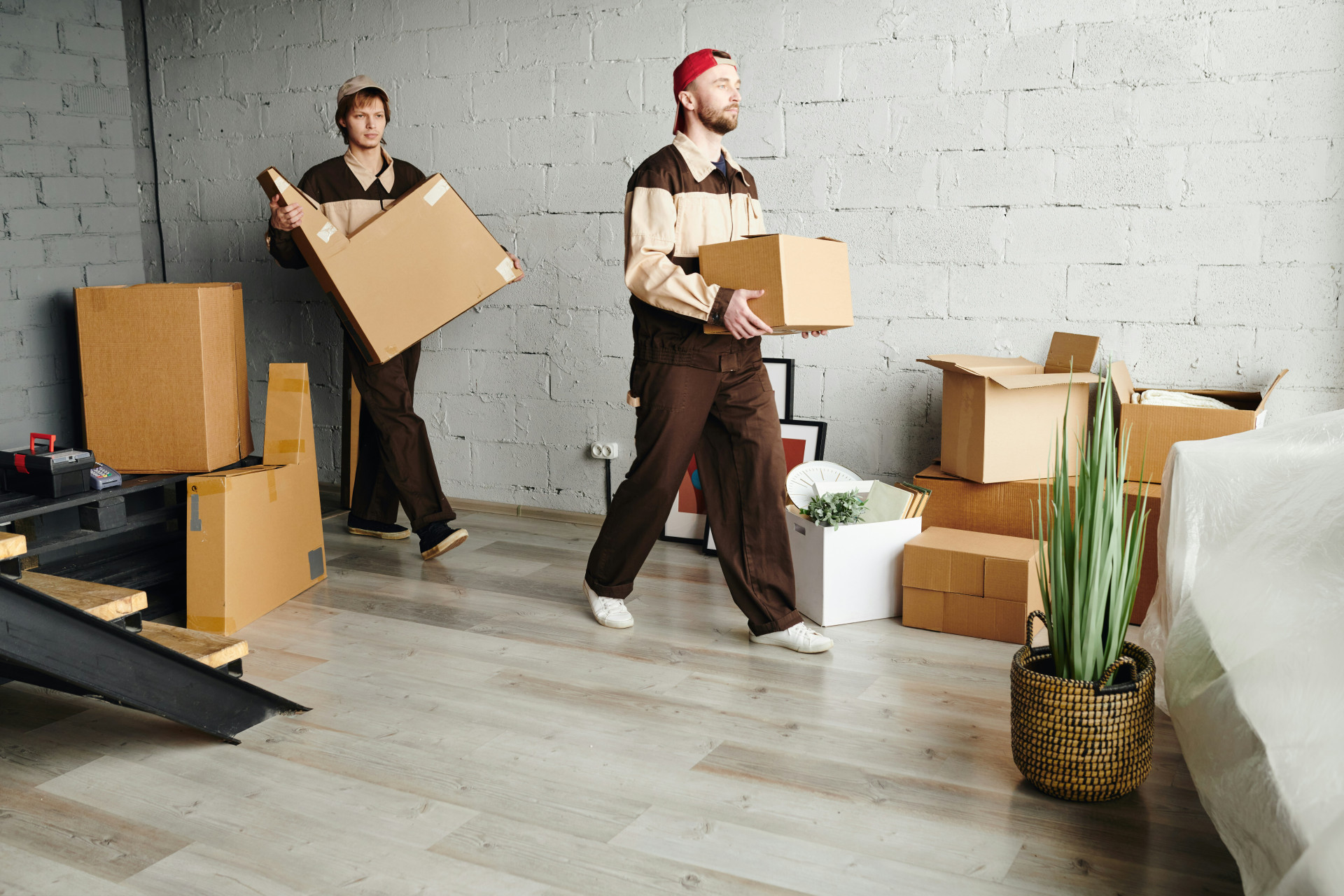
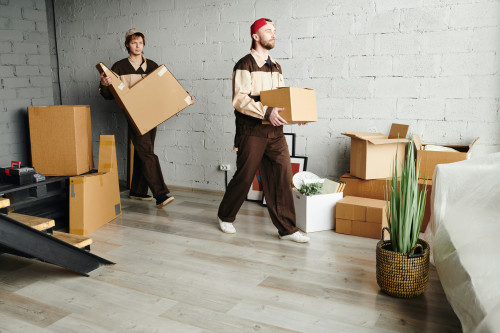
When loading the moving truck, place fragile boxes on top and near the walls, where they’re less likely to be crushed. Avoid stacking heavy boxes on top of them.
If you’re moving yourself, carry boxes with both hands and avoid tilting them. Use a dolly for larger items, but be careful on stairs and uneven surfaces.
If you’ve hired movers, let them know which boxes contain fragile items so they can handle them with extra care.
Storage: Preventing Long-Term Damage
If your belongings will be in storage for a while, there are a few additional factors to consider. Temperature, humidity, and pressure can all affect materials over time.
- Choose a climate-controlled unit – This helps protect wood, paper, and electronics from moisture and temperature fluctuations.
- Use sturdy shelving – Avoid stacking boxes too high, as the weight can crush those on the bottom.
- Cover your items – Use fabric or plastic covers to protect against dust.
- Keep boxes off the floor – Place them on pallets or boards to prevent moisture from seeping in from concrete floors.
Check on your stored items periodically, especially if they’ll be there for several months or longer.
Læs også:


Extra Tip: Insurance and Documentation
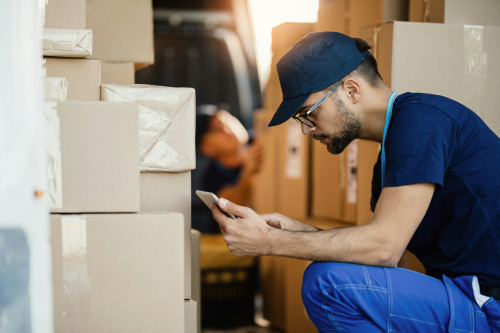
Even with the best preparation, accidents can happen. Check whether your homeowner’s or renter’s insurance covers damage during moving and storage. Take photos of your most valuable items before packing them—this can be helpful if you need to file a claim later.
A Careful Move Brings Peace of Mind
Protecting fragile items is all about thinking ahead. With good planning, the right materials, and a bit of patience, you can ensure your belongings arrive in the same condition they were packed. That means less stress—and a smoother, worry-free move.
Læs også: