Less CO₂ with Heat Pumps: An Important Step Toward Fossil-Free Heating

Less CO₂ with Heat Pumps: An Important Step Toward Fossil-Free Heating
As the United States moves toward a cleaner energy future, the way we heat our homes and buildings plays a crucial role. A significant share of household energy use goes to heating, and much of that still relies on natural gas, propane, or heating oil. Heat pumps offer a powerful alternative. By drawing energy from the air, ground, or water, they provide warmth with far less CO₂ emissions than traditional systems.
How Heat Pumps Work
A heat pump works much like a refrigerator in reverse. While a refrigerator removes heat from inside and releases it into the room, a heat pump extracts heat from the outside environment and transfers it indoors. Even on cold days, there is usable energy in the air or ground that the system can capture and amplify to heat your home and water.
There are several main types of heat pumps:
- Air-source heat pumps, which transfer heat between your home and the outdoor air.
- Ground-source (geothermal) heat pumps, which use the stable temperature underground to provide efficient heating and cooling.
- Ductless mini-split systems, which deliver warm or cool air directly into individual rooms without ductwork.
All of these systems run on electricity, but they typically deliver three to four times more heat energy than the electricity they consume.
Læs også:
A Key Part of the Clean Energy Transition
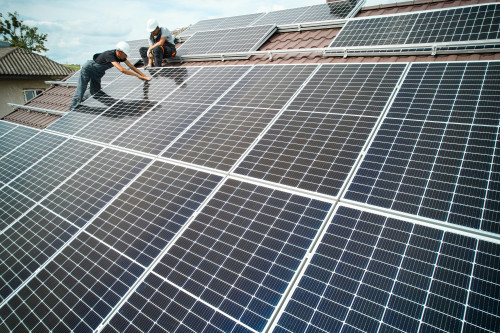
As the U.S. electric grid becomes greener with more wind and solar power, heat pumps become even more climate-friendly. Instead of burning fossil fuels in millions of individual furnaces, we can use clean electricity to generate heat efficiently and sustainably.
According to the U.S. Department of Energy, switching from a conventional heating system to a heat pump can cut household carbon emissions by 40–70 percent, depending on the local electricity mix. Homeowners also benefit from quieter operation, no on-site combustion, and reduced maintenance compared to oil or gas systems.
Heat pumps are not just a technical upgrade—they are a cornerstone of a more flexible and resilient energy system.
Costs and Incentives
While installing a heat pump requires an upfront investment, the long-term savings can be substantial. Operating costs are generally lower than for oil or propane heating, and the Inflation Reduction Act of 2022 provides generous federal tax credits and rebates for heat pump installations. Many states and utilities also offer additional incentives, making the switch more affordable than ever.
Before choosing a system, it’s worth consulting a certified installer to assess your home’s insulation, existing heating setup, and local climate conditions.
Community and Shared Solutions
Beyond individual homes, community-scale heat pump systems are emerging in neighborhoods, apartment complexes, and small towns. These shared systems can distribute heat through a local network, similar to district heating, but powered by electricity and renewable energy. Such projects can help rural and suburban communities move away from fossil fuels where natural gas infrastructure is limited.
The Future of Heating
Heat pumps are not the only solution, but they are one of the most effective and widely available technologies for reducing emissions from heating. Combined with better insulation, smart thermostats, and a cleaner power grid, they can bring the U.S. closer to its climate goals.
For homeowners, choosing a heat pump means lower carbon emissions, less dependence on fossil fuels, and often a more comfortable and consistent indoor climate.
Installing a heat pump is more than a home improvement—it’s a step toward a sustainable future.
Læs også: