Paint with Shadow Effects – Add Depth and Character to Your Walls

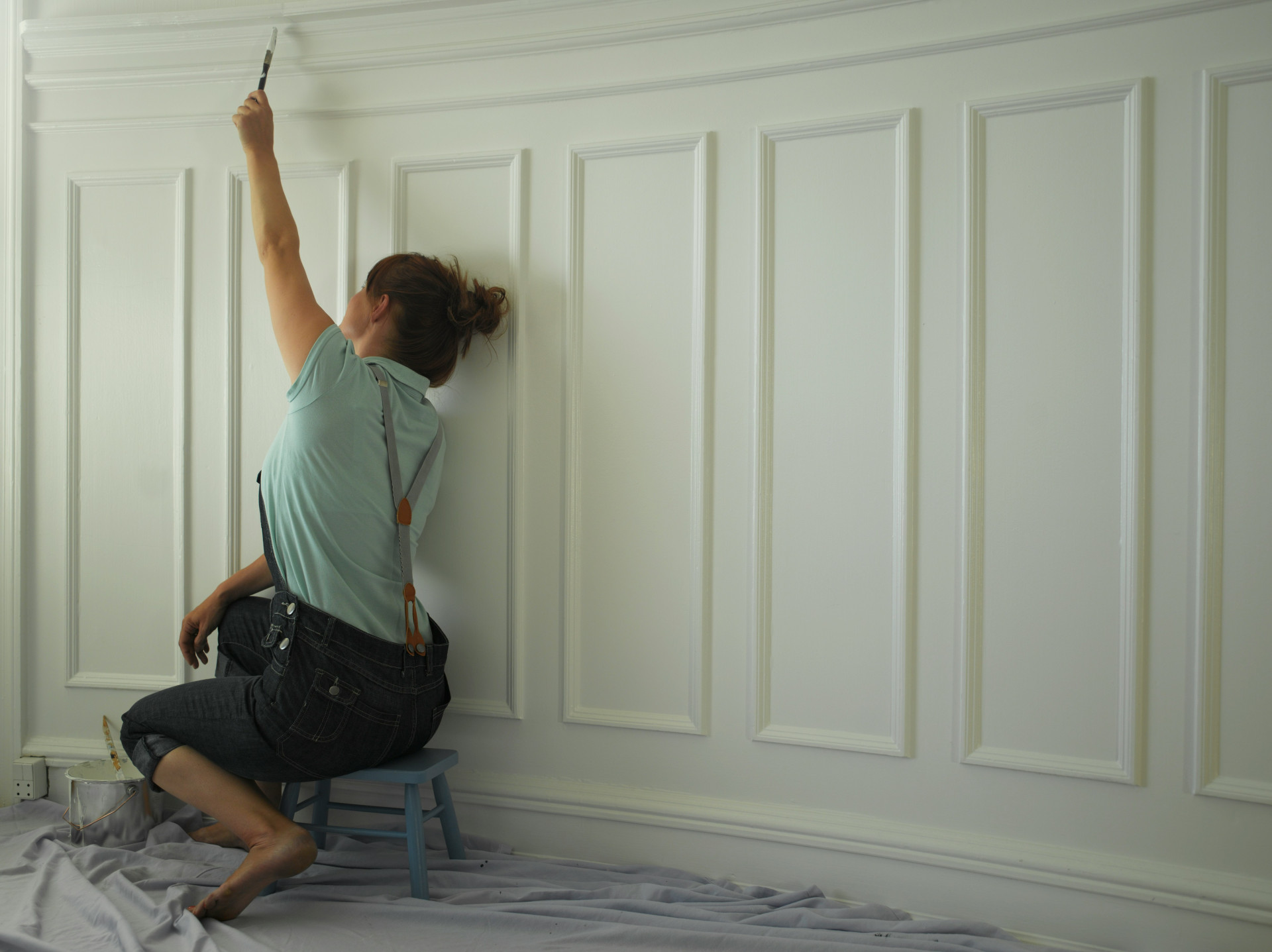
Paint with Shadow Effects – Add Depth and Character to Your Walls
A wall doesn’t have to be a single flat color to look beautiful. With shadow effects, you can bring depth, warmth, and personality into any room—no artistic background required. This painting technique plays with light, color, and contrast to create a more dynamic and textured look. From subtle tone-on-tone transitions to bold, dramatic shading, shadow effects can completely transform your space. Here’s how to get started and make your walls come alive.
What Are Shadow Effects?
Shadow effects are a decorative painting technique that uses multiple shades of the same color—or contrasting colors—to create the illusion of depth. It mimics the way natural light falls across a surface: some areas appear lighter, others darker. When applied to a wall, this technique adds dimension and movement, making the space feel more engaging and layered.
You can use shadow effects on an entire room, a single accent wall, or even behind a piece of furniture or artwork. It’s especially effective in spaces where you want a cozy, inviting atmosphere—like a living room, bedroom, or entryway.
Læs også:

Choosing the Right Colors
Color selection is key to achieving a balanced and natural shadow effect. A good rule of thumb is to pick two or three shades within the same color family, with only subtle differences between them. This creates a harmonious, blended look.
- Soft transitions: Try shades like sage, olive, and deep forest green.
- Bold contrasts: Pair light beige with espresso brown, or pale gray with navy blue.
- Light and shadow: Consider how sunlight moves through the room. A darker tone in corners or behind furniture can enhance the illusion of depth.
Always test your colors first. Paint small swatches on the wall and observe them throughout the day—natural and artificial light can dramatically change how colors appear.
Step-by-Step: How to Paint with Shadow Effects
Painting with shadow effects takes a bit of patience, but the process is simple once you get the hang of it. Here’s a straightforward method:
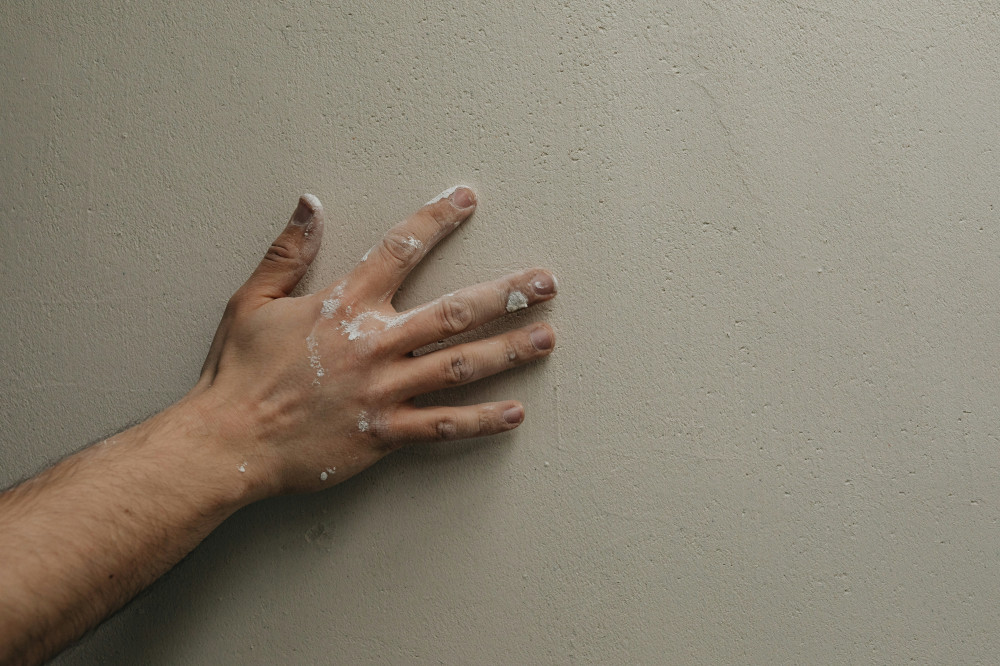
- Prep the wall. Make sure the surface is clean, dry, and smooth. Patch any holes and apply a base coat in your lightest shade.
- Plan your design. Lightly sketch where you want darker areas—perhaps in corners, behind a headboard, or as a soft gradient across the wall.
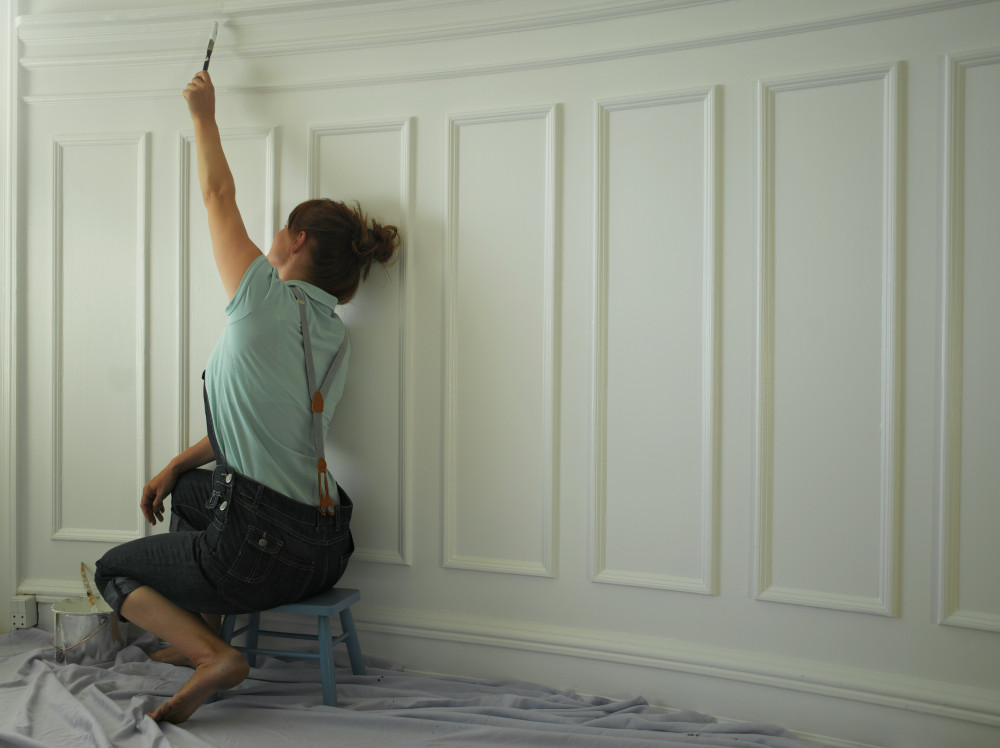
- Apply the darker shade. Use a wide brush or sponge and work in circular or sweeping motions for a natural transition.
- Blend the colors. While the paint is still wet, use a dry brush or soft cloth to blur the edges between shades.
- Refine the look. Once dry, you can add more layers or deepen certain areas for extra dimension.
For a rustic or textured finish, try a sponge technique or dry brushing—using very little paint to create a soft, layered effect.
Style Inspiration
Shadow effects can complement a wide range of interior styles. Here are a few ideas to inspire your next project:
- Modern minimalism: Use cool grays or soft whites with gentle gradients for a sleek, architectural look.
- Warm and earthy: Blend terracotta, ochre, and clay tones for a sun-washed, Mediterranean feel.
- Coastal calm: Combine pale blues and sandy neutrals for a breezy, light-filled atmosphere.
- Vintage charm: Use chalk or lime paint and let brushstrokes show through for a matte, timeworn texture.
Tips for a Professional Finish
- Work in small sections so the paint stays wet enough to blend.
- Use soft brushes or sponges to avoid harsh lines.
- Remember that less is more—a subtle gradient often looks more elegant than a strong contrast.
- Practice first on a piece of cardboard or scrap wall to get comfortable with the technique.
Once you’ve tried it, you’ll see how much creative freedom this approach offers. It’s a fun, hands-on way to personalize your home without overwhelming the space.
A Room with Depth and Personality
Shadow effects are about more than just color—they’re about atmosphere. They can make a room feel larger, cozier, or more serene, depending on how you use them. This technique invites experimentation and creativity, turning even the simplest wall into a statement piece.
So next time you pick up a paintbrush, think beyond a single flat color. With shadow effects, you can create walls that tell a story—where light, shade, and texture come together to give your home true character.
Læs også: