Pests in the Attic? How to Protect Your Attic Insulation from Unwanted Guests


Pests in the Attic? How to Protect Your Attic Insulation from Unwanted Guests
Your attic might be the perfect place for storage and insulation—but it can also be an inviting hideout for pests. Mice, rats, squirrels, raccoons, bats, and insects often find their way into attics, where they can nest, chew through materials, and cause costly damage. Fortunately, with a few preventive steps, you can protect your attic insulation and keep your home pest-free.
Why Pests Love the Attic
Attics are warm, quiet, and rarely disturbed—ideal conditions for animals seeking shelter, especially during colder months. Insulation provides a soft, dry nesting material, and once pests settle in, they can quickly multiply.
Rodents can chew through insulation, wiring, and even wood framing. Squirrels and raccoons may tear up insulation to make nests, while insects like moths and carpenter ants can damage organic materials and wood structures. Over time, these intruders can compromise your home’s energy efficiency and safety.
Signs You Might Have Pests in the Attic
Pests often go unnoticed until the damage is done. Keep an eye—and ear—out for these warning signs:
- Scratching or scurrying sounds, especially at night
- Droppings or urine stains on insulation or flooring
- Disturbed or shredded insulation that looks like nesting material
- Unpleasant odors, often from urine or dead animals
- Gnaw marks on wires, wood, or plastic
- Entry holes around vents, eaves, or rooflines
Catching the problem early can save you from expensive repairs and health risks.
Seal Up Entry Points
The best defense against pests is keeping them out in the first place. Inspect your attic and roofline carefully for gaps, cracks, and openings.
- Seal holes and gaps around pipes, vents, and wiring with steel wool, metal mesh, or expanding foam.
- Install screens over attic vents, soffits, and chimneys to block birds and bats.
- Repair damaged shingles or flashing that could allow entry.
- Trim tree branches that hang over your roof—these can act as bridges for squirrels and raccoons.
A well-sealed attic not only keeps pests out but also improves your home’s energy efficiency.
Choose Pest-Resistant Insulation
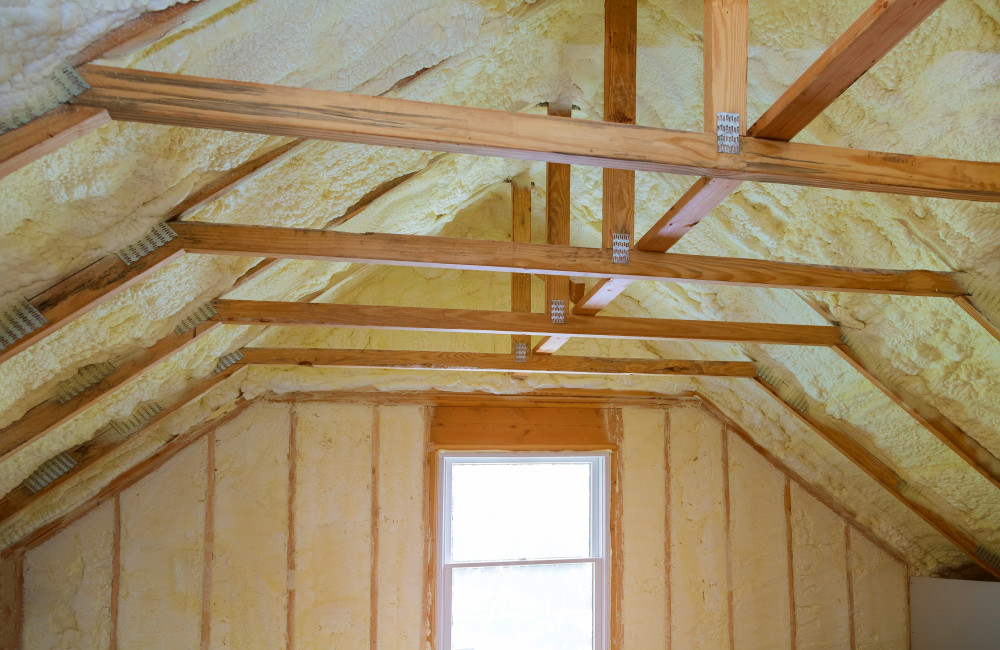
Not all insulation materials are equally attractive to pests. Fiberglass and mineral wool are less appealing because they don’t provide good nesting material. Some cellulose insulation products are treated with borate, a natural pest deterrent that also resists mold and fire.
If you’re upgrading or replacing insulation, consider materials that combine energy performance with pest resistance. A professional insulation contractor can help you choose the best option for your region and home type.
Keep the Attic Clean and Dry
A cluttered attic full of cardboard boxes, fabric, and paper is a paradise for pests. Keep the space tidy and organized:
- Store items in sealed plastic bins instead of cardboard boxes.
- Vacuum or sweep the attic periodically to remove dust and debris.
- Ensure proper ventilation to prevent moisture buildup—damp areas attract insects and mold.
- Avoid storing pet food, birdseed, or other edibles near the attic entrance.
A clean, dry attic is far less inviting to unwanted guests.
What to Do If You Already Have Pests
If you suspect pests have moved in, act quickly. Identify the type of pest before taking action:
- Mice and rats can be trapped using snap traps or bait stations, but handle them carefully and follow local regulations.
- Squirrels and raccoons often require professional removal, as they can be aggressive and are protected in some areas.
- Bats should never be killed; instead, contact a wildlife control expert to safely exclude them.
- Insects can often be managed with cleaning, dehumidifying, and targeted pest control treatments.
After removal, replace any contaminated insulation and disinfect the area to eliminate odors and bacteria that could attract new pests.
When to Call a Professional
If you’re unsure about the extent of the infestation or how to handle it safely, it’s best to call a licensed pest control or wildlife removal specialist. They can identify entry points, remove animals humanely, and recommend long-term prevention strategies. In many cases, professional help can save you time, money, and frustration.
Læs også:



A Healthy Attic Means a Healthy Home
A well-insulated, pest-free attic keeps your home comfortable, energy-efficient, and safe. With regular inspections, good maintenance, and preventive measures, you can ensure your attic remains a place for warmth and storage—not for unwanted guests.
Læs også: