Windows Shape the Space: Light, View, and Atmosphere in the Home

Windows Shape the Space: Light, View, and Atmosphere in the Home
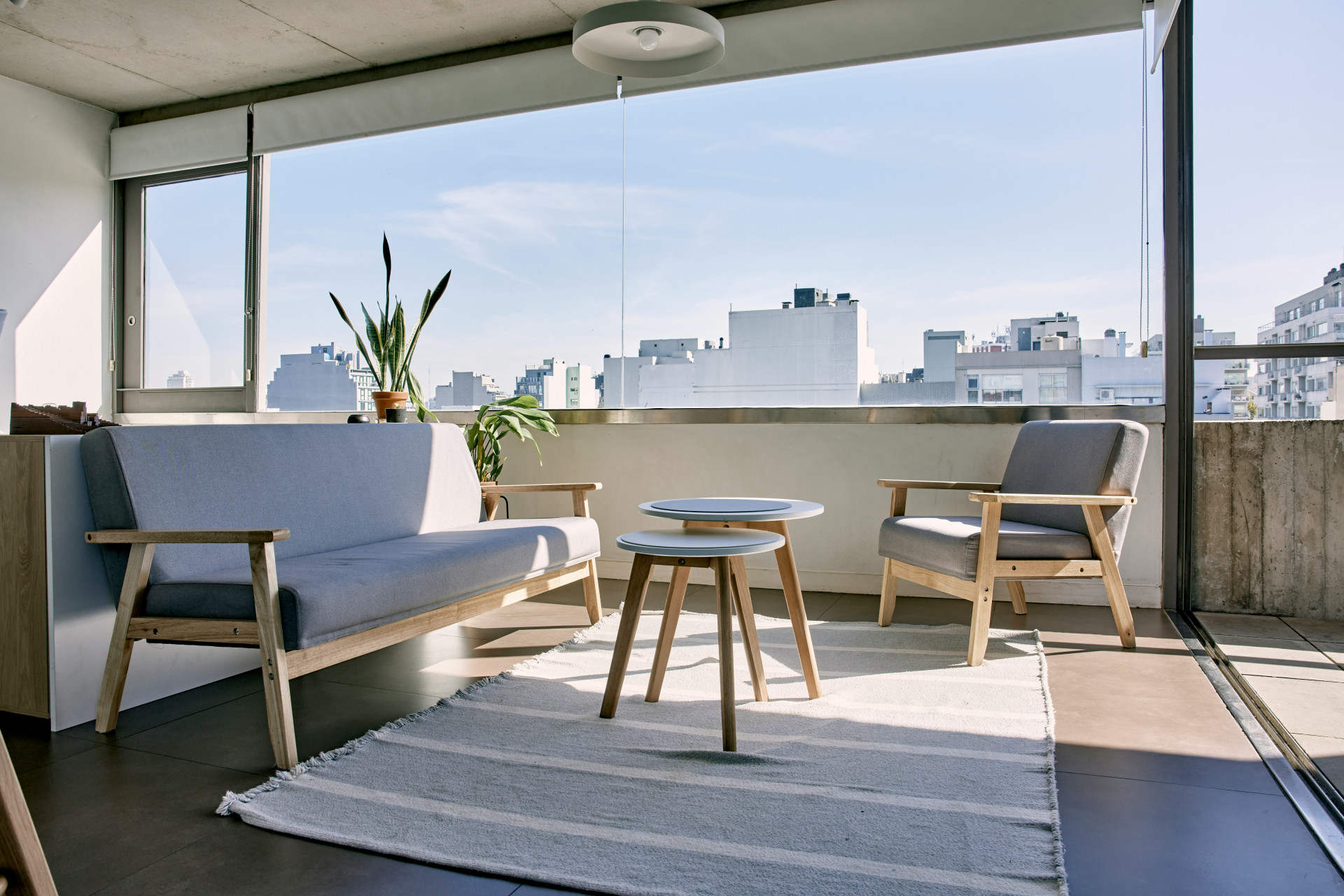
Windows are far more than simple openings in a wall. They are the home’s eyes to the world—and one of the most powerful elements shaping how a room feels, functions, and connects to its surroundings. The way light enters, the view it frames, and the materials that define it all influence the atmosphere of a space. In this article, we explore how windows shape the home—and how you can use them as an active part of your interior design.
Light as the Life of a Room
Natural light is one of the most essential ingredients for well-being. It affects our mood, energy, and even our sleep patterns. A room filled with daylight feels larger, more open, and more inviting. Choosing the right windows is therefore not just a matter of style—it’s a matter of quality of life.
Orientation plays a key role. South-facing windows bring in abundant sunlight and warmth, while north-facing ones provide a softer, more consistent light ideal for studios or kitchens. East-facing windows capture the gentle morning sun, while west-facing ones bathe the home in a golden glow at the end of the day.
Window size should also match the room’s purpose. A large picture window can create a stunning connection to a backyard or landscape, while smaller windows in a bedroom can foster a sense of calm and privacy.
View and Privacy – Finding the Right Balance
Windows connect the indoors with the outdoors. They invite light, air, and scenery inside—but they also open the home to outside eyes. The art of window design lies in balancing openness with privacy.
In living areas, many homeowners prefer wide, unobstructed views, while bathrooms and bedrooms often call for more discretion. Frosted glass, blinds, or high-placed windows can provide light without compromising privacy. In urban settings, sheer curtains or light-filtering shades can soften daylight while maintaining a sense of openness.
The goal is to create a space that feels connected to its surroundings yet comfortably private—a place where you can enjoy the view without feeling exposed.
Materials and Frames – Details That Define the Look
The material of a window frame influences both aesthetics and performance. Wood offers warmth and timeless character but requires regular maintenance. Aluminum frames are sleek, durable, and low-maintenance, while vinyl windows are cost-effective and energy-efficient.
Hybrid frames—wood on the inside, aluminum on the outside—combine natural beauty with weather resistance. Color also matters: white frames reflect light and create a clean look, while darker tones add contrast and depth, especially in modern homes with large glass surfaces.
These details may seem small, but they have a big impact on how a room feels and how the home performs over time.
Læs også:


Energy and Comfort – Windows as Climate Control
Today’s windows are technological marvels that play a major role in a home’s energy efficiency. Double- or triple-pane glass, low-emissivity coatings, and tight seals reduce heat loss and drafts, saving energy and improving comfort.
In sunny climates or rooms with large south-facing windows, solar-control glass can prevent overheating, allowing you to enjoy the light without turning your living room into a greenhouse. In colder regions, insulated frames and advanced glazing help retain warmth during winter months.
When choosing new windows, think beyond appearance. The right window can enhance comfort, reduce energy bills, and contribute to a healthier indoor environment.
Architecture and Atmosphere – Windows as Design Elements
Windows are powerful architectural tools. A tall, narrow window can emphasize verticality and height, while a wide, horizontal one can make a room feel more expansive. Round or asymmetrical windows add personality and charm.
In contemporary homes, expansive glass walls blur the boundary between indoors and outdoors, creating a seamless connection to nature. In older houses, divided-light windows preserve historical character and craftsmanship. The key is to choose windows that complement both the architecture and your lifestyle.
Windows also influence acoustics and ambiance. Large glass surfaces can make a room feel echoey or cool, but soft furnishings, rugs, and curtains can balance the sound and warmth, creating a more harmonious atmosphere.
When Light Becomes Part of the Design
Working consciously with light and windows is a way to shape the mood of your home. You can use light as a design element—letting it highlight textures, colors, and forms. A window that catches the morning sun can become a favorite spot for coffee, while one that glows with evening light can set the tone for dinner and conversation.
Consider how light moves through your home during the day and how it interacts with each room’s purpose. When thoughtfully designed, windows are not just functional necessities—they become an integral part of the home’s soul, shaping how you live, feel, and connect with the world outside.
Læs også: