Burn Properly – and Protect the Environment: How to Reduce Smoke and Particles from Your Pellet Stove


Burn Properly – and Protect the Environment: How to Reduce Smoke and Particles from Your Pellet Stove
A pellet stove can be an efficient and eco-friendly way to heat your home – but only if it’s used correctly. Poor operation can lead to unnecessary smoke, soot, and particle emissions that harm both the environment and your stove’s performance. With a few simple adjustments and good habits, you can make sure your pellet stove runs cleanly, efficiently, and with minimal impact on the air around you.
Understand How Your Pellet Stove Works
A pellet stove generates heat by burning compressed wood pellets in a combustion chamber, where the air supply and pellet feed rate are automatically controlled. When the settings are right, the combustion is nearly complete, and emissions are minimal. But if the air supply is too low or the pellets don’t burn properly, soot and smoke can form, clogging the vent and polluting the air.
That’s why it’s important to understand your stove’s functions and follow the manufacturer’s recommendations for operation, cleaning, and maintenance.
Choose High-Quality Pellets
The quality of your pellets has a major impact on how cleanly your stove burns. Always choose high-quality pellets, preferably certified by programs such as ENplus or PFI (Pellet Fuels Institute). These pellets have low moisture and ash content and contain no additives, resulting in a more efficient and cleaner burn.
Avoid cheap pellets with high ash content—they can cause buildup in the burn pot and increase particle emissions. Store your pellets in a dry place to prevent moisture absorption, since damp pellets burn poorly and produce more smoke.
Adjust Airflow and Settings
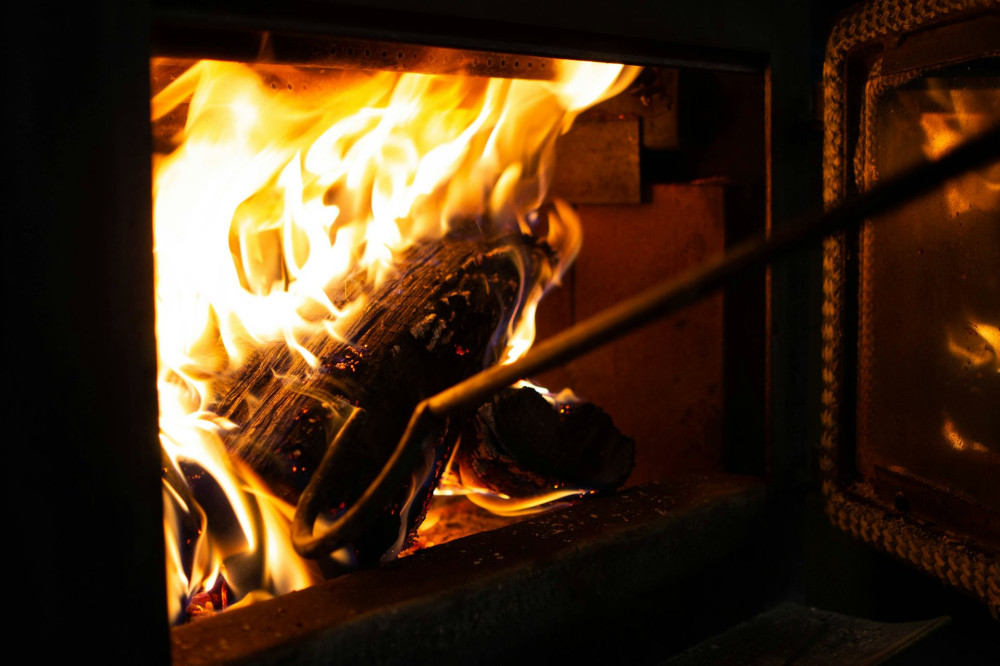
Even small adjustments to the air supply and pellet feed rate can make a big difference. If the flame in the burn pot is dark and smoky, your stove is getting too little air. A bright, steady yellow flame with no visible smoke indicates good combustion.
Most modern pellet stoves have automatic controls, but you may still need to fine-tune the settings, especially if you switch pellet brands or notice changes in draft. If you’re unsure, have a certified technician help you optimize the settings—this can reduce fuel use, improve efficiency, and extend the life of your stove.
Clean and Maintain Regularly
A clean stove is an efficient stove. Ash and soot can quickly build up in the burn pot, heat exchanger, and venting system, reducing heat transfer and increasing emissions. Regular cleaning keeps your stove running safely and efficiently. As a general rule:
- Empty the ash pan at least once a week during the heating season.
- Clean the burn pot and heat exchanger according to the manufacturer’s instructions.
- Check gaskets and seals to ensure no air leaks are affecting combustion.
In addition, have your venting system and chimney inspected and cleaned by a professional at least once a year. This not only improves performance but also reduces the risk of chimney fires.
Ensure Proper Draft
A stable and adequate draft is essential for clean combustion. If the draft is too weak, smoke can back up into the room or cause incomplete burning. If it’s too strong, heat can be lost up the chimney.
Watch for signs of poor draft, such as visible smoke during startup or operation. If you experience issues, a draft regulator or adjustments to the venting system may help. A qualified chimney professional can assess whether your setup provides the right airflow.
Be Mindful of Your Surroundings
Although pellet stoves emit far fewer particles than traditional wood stoves, improper use can still affect local air quality. Burn only when heat is needed, and avoid frequent on-and-off cycling—emissions are highest during startup and shutdown.
Make sure your vent outlet directs exhaust away from windows, decks, and neighboring homes. This helps protect both your family and your community from unnecessary smoke exposure.
Læs også:
Schedule Professional Service
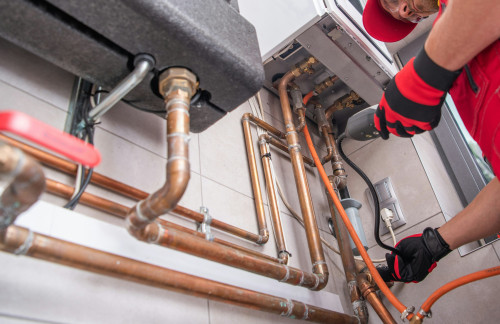
An annual service check is a smart investment. A technician can inspect the combustion system, clean internal components, adjust settings, and measure emissions of particulates and carbon monoxide. This ensures your stove operates safely, efficiently, and in compliance with local environmental standards.
A well-maintained pellet stove can significantly reduce both energy use and emissions—while providing steady, comfortable heat throughout the winter.
Burn with Care – and Make a Difference
Burning properly isn’t just about saving money; it’s about taking responsibility for the environment. With good habits, quality fuel, and regular maintenance, you can minimize smoke and particles, extend your stove’s lifespan, and contribute to cleaner air in your community.
Small changes in how you burn can make a big difference—for your home, your wallet, and the planet.
Læs også: