Time to Replace Your Oil Furnace? How to Plan the Transition to a Modern and Efficient Heating Solution

Time to Replace Your Oil Furnace? How to Plan the Transition to a Modern and Efficient Heating Solution
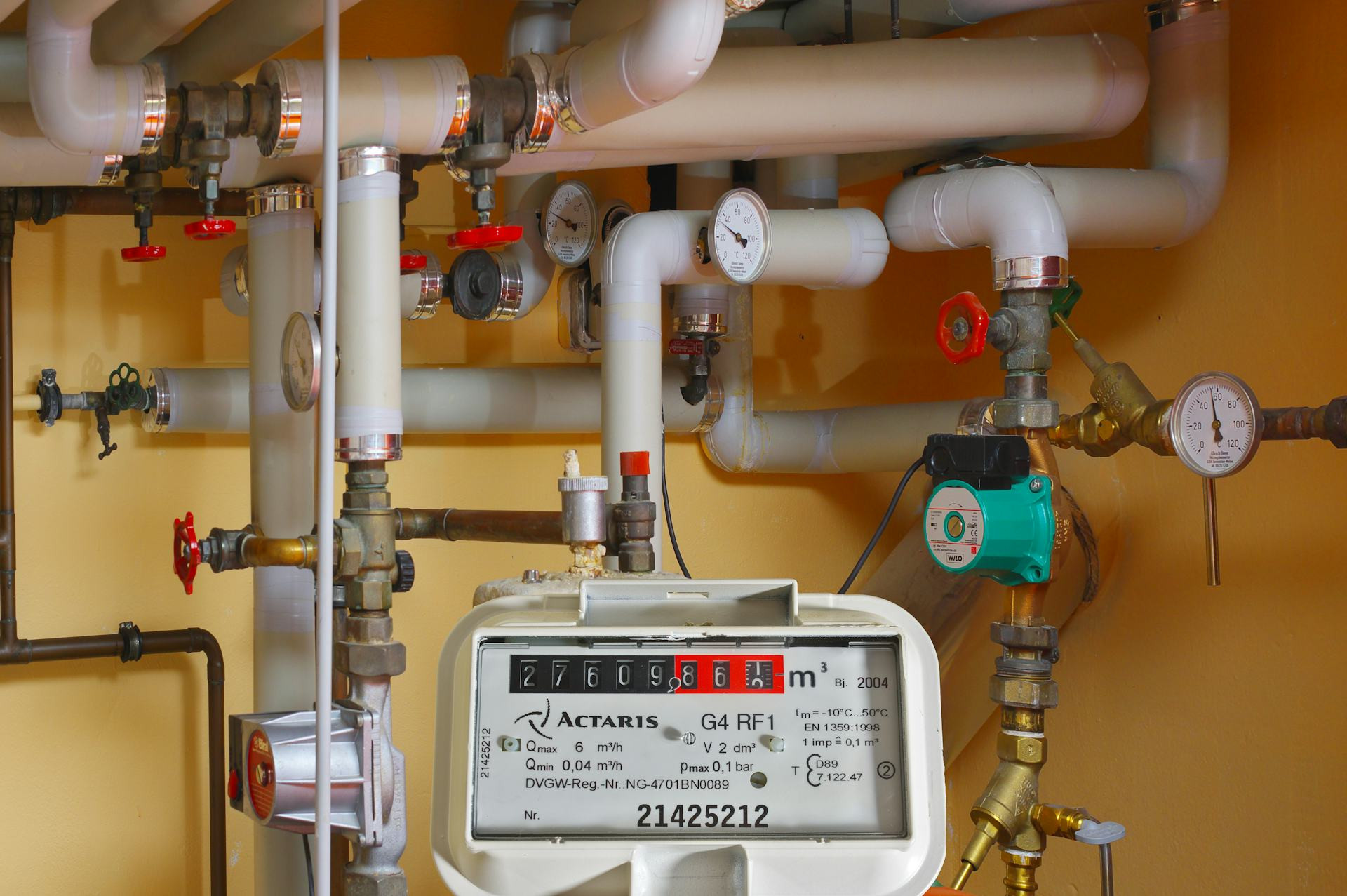
For decades, oil furnaces have kept American homes warm through long winters. But with rising fuel costs, environmental concerns, and advances in heating technology, many homeowners are now considering a switch to cleaner, more efficient systems. Making the transition takes planning—both financially and practically. Here’s a guide to help you navigate the process and choose a solution that fits your home, your budget, and your future.
Why Replace Your Oil Furnace?
There are several compelling reasons to move away from oil heat. First, oil furnaces are among the least efficient and most carbon-intensive heating options. They rely on a fuel with volatile pricing and limited long-term availability. Second, modern alternatives—such as heat pumps or high-efficiency gas systems—can significantly reduce your energy bills and carbon footprint.
In addition, many states and utilities now offer rebates, tax credits, or low-interest financing for homeowners who upgrade to energy-efficient systems. Replacing your oil furnace can also increase your home’s resale value and make it more attractive to environmentally conscious buyers.
Læs også:
Choosing the Right Heating Solution
The best replacement for your oil furnace depends on your home’s location, size, insulation, and access to energy sources. Here are some of the most common alternatives:
- Air-Source Heat Pump – A popular choice for many U.S. homeowners, these systems provide both heating and cooling. Modern cold-climate models can operate efficiently even in northern states.
- Ground-Source (Geothermal) Heat Pump – Uses the stable temperature of the ground to heat and cool your home. It has a higher upfront cost but offers exceptional efficiency and long-term savings.
- High-Efficiency Natural Gas Furnace – If your home already has access to natural gas, upgrading to a 95%+ AFUE furnace can be a cost-effective and reliable option.
- Electric Resistance Heating or Ductless Mini-Splits – Ideal for smaller homes or additions, these systems are easy to install and can be paired with renewable electricity sources like solar panels.
Before making a decision, consider scheduling a home energy assessment. Many utility companies and state energy offices offer free or discounted evaluations to help you identify the most efficient solution for your property.
Plan Your Budget and Explore Incentives
Replacing an oil furnace is an investment, but one that can pay off through lower operating costs and available incentives. The total cost will depend on the system type, installation complexity, and any necessary upgrades to your ductwork or electrical system.
Check for federal tax credits under the Inflation Reduction Act, which provides incentives for heat pumps, high-efficiency furnaces, and home energy improvements. Many states and local utilities also offer rebates or low-interest loans for energy-efficient upgrades. Websites like EnergyStar.gov and the Database of State Incentives for Renewables & Efficiency (DSIRE) can help you find programs in your area.
When budgeting, include not only the installation cost but also long-term maintenance and energy savings. A well-chosen system can reduce your heating bills by 30–60% compared to oil.
Improve Efficiency with Home Upgrades
A new heating system performs best in a well-insulated home. If your house loses heat through walls, windows, or the attic, you won’t get the full benefit of your investment. Before or during your heating system upgrade, consider:
- Adding insulation to the attic and exterior walls
- Sealing air leaks around doors, windows, and ducts
- Replacing old windows with energy-efficient models
- Installing a smart thermostat for better temperature control
These improvements not only enhance comfort but also reduce your overall energy consumption.
What to Expect During the Replacement Process
The transition from an oil furnace to a new system typically takes a few days, depending on the complexity of the installation. Here’s what the process usually involves:
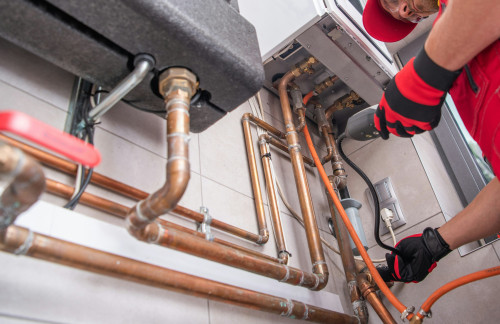
- Assessment and Planning: A licensed HVAC contractor inspects your current system, evaluates your home’s heating needs, and recommends suitable options.
- Oil System Removal: The old furnace and oil tank are safely drained and removed according to local environmental regulations.
- Installation of the New System: The new heating unit is installed, connected, and tested for performance and safety.
- System Calibration and Training: The installer ensures the system runs efficiently and explains how to operate and maintain it.
It’s best to schedule the replacement during the warmer months to avoid being without heat when you need it most.
Looking Ahead: Comfort, Savings, and Sustainability
Upgrading from an oil furnace is more than just a home improvement—it’s an investment in comfort, efficiency, and environmental responsibility. Modern heating systems are quieter, cleaner, and easier to maintain. They also position your home for future energy innovations, such as solar integration or battery storage.
By planning carefully, taking advantage of available incentives, and choosing the right system for your needs, you can enjoy a warmer, more efficient home while reducing your carbon footprint. The time to make the switch is now—your wallet, your home, and the planet will thank you.
Læs også: