Choosing Roofing Wisely: Balancing Aesthetics, Function, and Maintenance

Choosing Roofing Wisely: Balancing Aesthetics, Function, and Maintenance
A roof is one of the most defining and essential parts of any home—both visually and functionally. It protects against the elements, influences energy efficiency, and plays a major role in the home’s overall appearance. Choosing the right roofing material is therefore not just a matter of style, but also of durability, maintenance, and long-term value. Here’s how to find the right balance between aesthetics, performance, and practicality when selecting a roof for your home.
Aesthetics: The Roof as a Design Statement
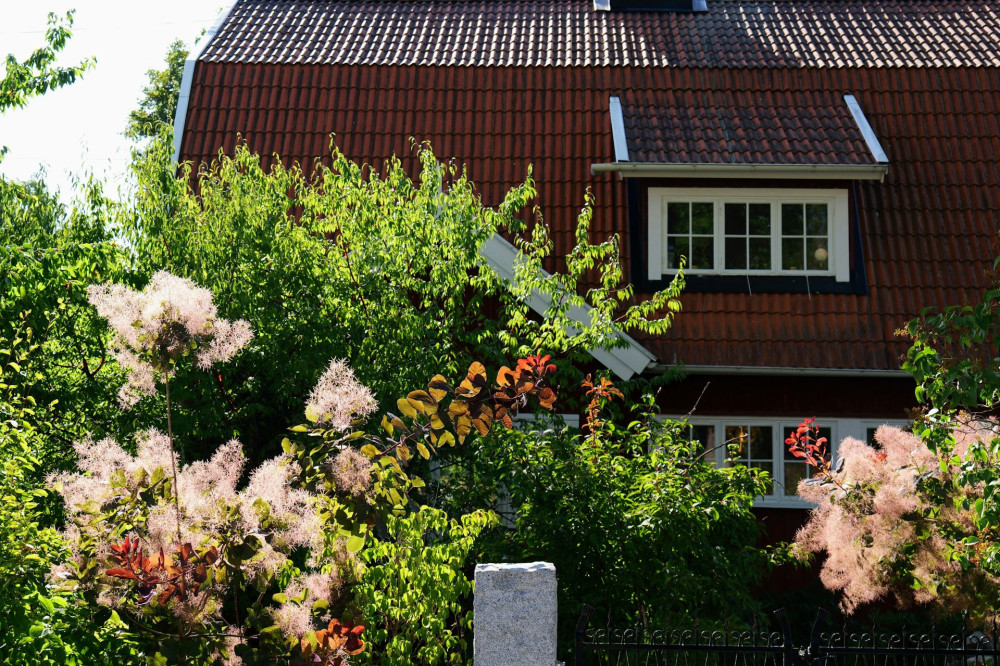
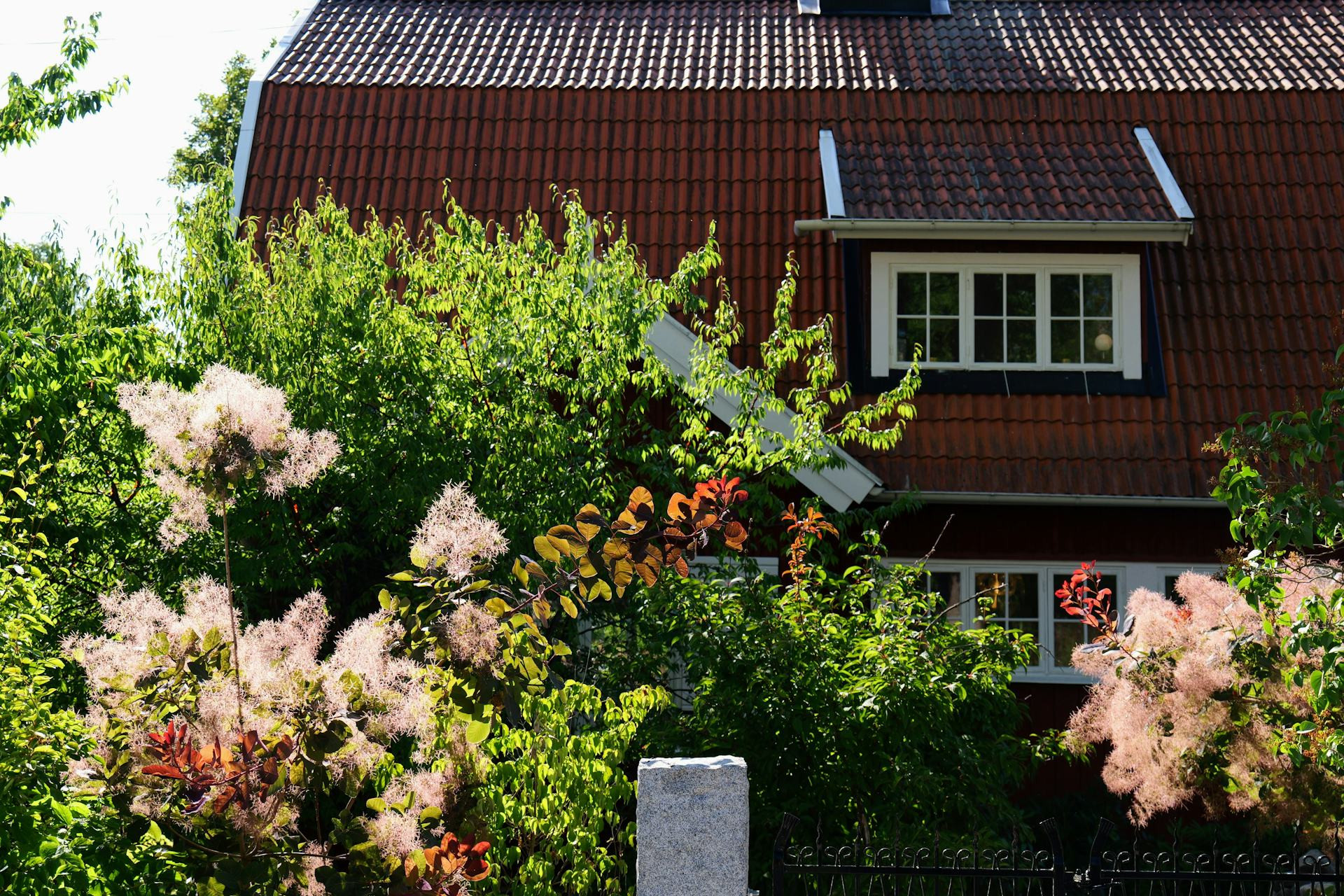
Your roof can account for up to a third of your home’s visible exterior, making it a key element of curb appeal. A traditional asphalt shingle roof can complement a classic suburban home, while standing seam metal roofing gives a sleek, modern look. Clay or concrete tiles bring warmth and Mediterranean charm, and natural slate adds timeless elegance. In some regions, wood shakes or shingles blend beautifully with wooded surroundings, while green or “living” roofs can integrate a home into its natural landscape.
When choosing a roofing style, consider your home’s architecture and neighborhood context. A Craftsman bungalow may look best with dimensional shingles, while a contemporary home might suit a flat or low-slope roof with a membrane system. Many homeowners’ associations and local building codes also regulate roofing materials and colors, so it’s wise to check the rules before making a final decision.
Læs også:
Function: More Than Just a Cover
A roof must do more than look good—it has to perform well under your local climate conditions. The United States spans a wide range of weather patterns, from heavy snow in the Midwest to hurricanes along the Gulf Coast and intense sun in the Southwest. Each environment places different demands on roofing materials.
- Asphalt shingles are affordable, versatile, and suitable for most climates, though they may have a shorter lifespan in areas with extreme heat.
- Metal roofing is durable, lightweight, and highly resistant to wind and fire, making it ideal for coastal or wildfire-prone regions.
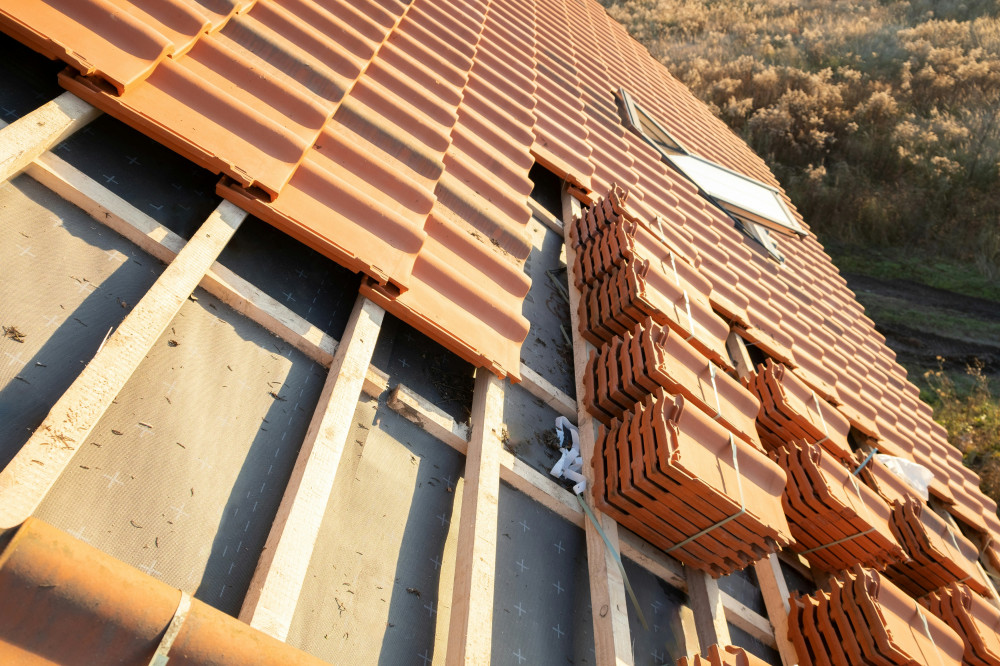
- Clay and concrete tiles excel in hot, dry climates and can last for decades, but they require a strong roof structure to support their weight.
- Slate offers unmatched longevity and beauty but comes with a higher price tag and installation cost.
- Synthetic materials such as composite shingles or rubber slate can mimic traditional looks while offering improved durability and lower maintenance.
Energy efficiency is another key factor. A well-insulated roof helps reduce heating and cooling costs, while reflective or “cool” roofing materials can minimize heat absorption in sunny climates. In colder regions, proper ventilation and underlayment help prevent ice dams and moisture buildup.
Maintenance: Thinking Long-Term
A beautiful roof is only an asset if it stays that way for years to come. Maintenance needs vary widely depending on the material.
- Asphalt shingles may need periodic inspection for curling or missing pieces and typically last 20–30 years.
- Metal roofs require minimal upkeep but should be checked for loose fasteners or scratches that could lead to corrosion.
- Tile and slate roofs can last 50–100 years or more but may need occasional replacement of individual tiles.
- Flat or low-slope roofs with membranes or coatings should be inspected regularly for punctures or pooling water.
- Green roofs require care for the vegetation layer but can extend the life of the waterproofing beneath.
Planning for maintenance early can save time and money later. If you prefer a low-maintenance home, investing in a durable, long-lasting material may be worth the higher upfront cost.
Cost and Sustainability
Roofing costs depend on material, size, complexity, and labor. Asphalt shingles are generally the most budget-friendly, while slate and tile sit at the premium end. However, the cheapest option isn’t always the best value. A more expensive roof with a longer lifespan and lower maintenance can be the smarter investment over time.
Sustainability is also becoming a major consideration. Many manufacturers now offer recycled or recyclable materials, and metal roofing is often made from recycled content. Cool roofs and solar-ready systems can improve energy efficiency, while green roofs help manage stormwater and support local biodiversity.
The Right Choice Is an Informed One
There’s no single “best” roof for every home. The right choice depends on your location, budget, architectural style, and lifestyle. Take time to research your options, consult with roofing professionals, and weigh both the aesthetic and practical aspects. A well-chosen roof not only enhances your home’s character but also protects it for decades to come.
A roof isn’t just the finishing touch on a house—it’s an investment in comfort, durability, and peace of mind.
Læs også: