Solar Roofs and Regulations: What You Need to Know Before You Get Started

Solar Roofs and Regulations: What You Need to Know Before You Get Started
Thinking about generating your own electricity while giving your home a sleek, modern look? A solar roof can be an appealing solution—both aesthetically and financially. But before you start, it’s important to understand the rules and requirements that apply. In the U.S., solar installations are subject to a mix of local building codes, electrical standards, tax incentives, and utility regulations. Here’s what you need to know before investing in a solar roof.
Building Permits and Local Zoning
In many areas, you can install solar panels or solar shingles without a full building permit, but local rules vary widely. Some cities and homeowners’ associations (HOAs) have zoning restrictions or design guidelines that affect what you can install on your roof. This is especially true in historic districts or neighborhoods with strict aesthetic standards.
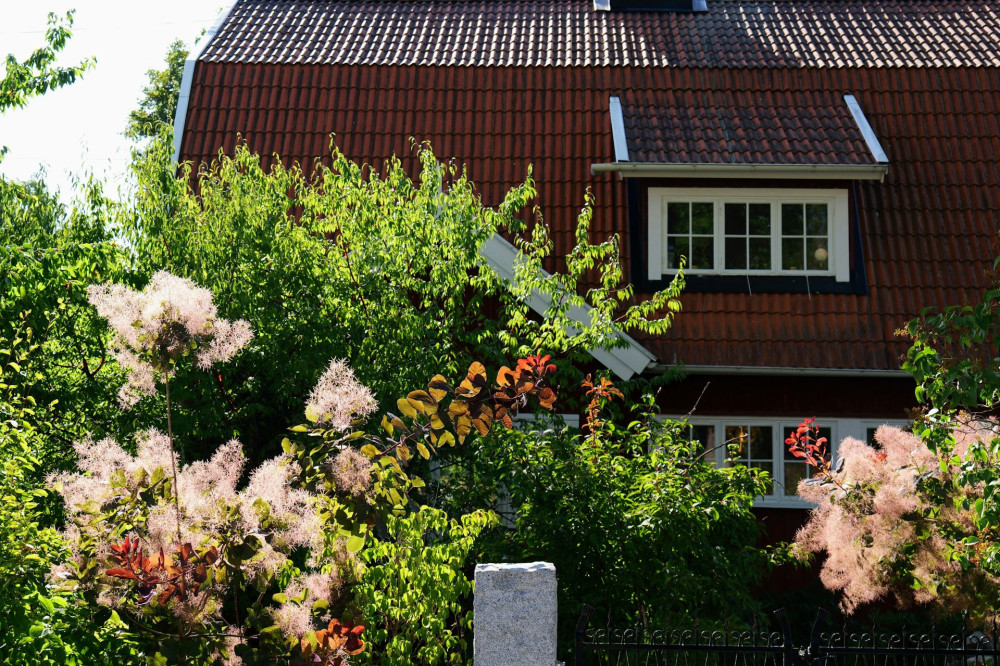
Integrated solar roofs—where the solar cells are built into the roofing material—are often easier to approve because they blend seamlessly with the home’s design. Before you commit, contact your local building department or HOA to confirm what’s allowed and whether you’ll need a permit or design review.
Electrical Safety and Grid Connection
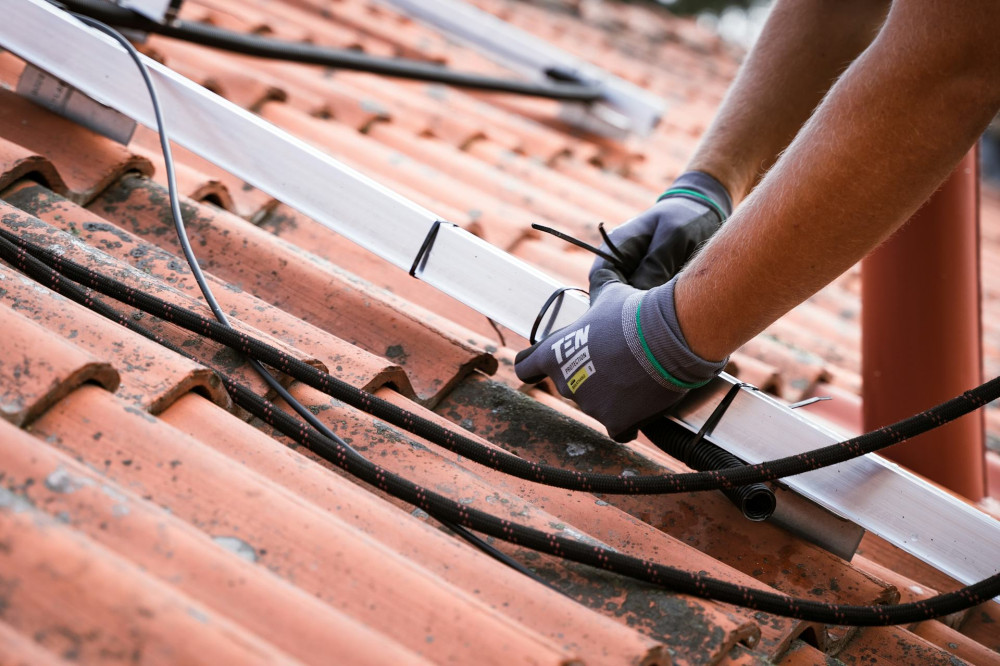
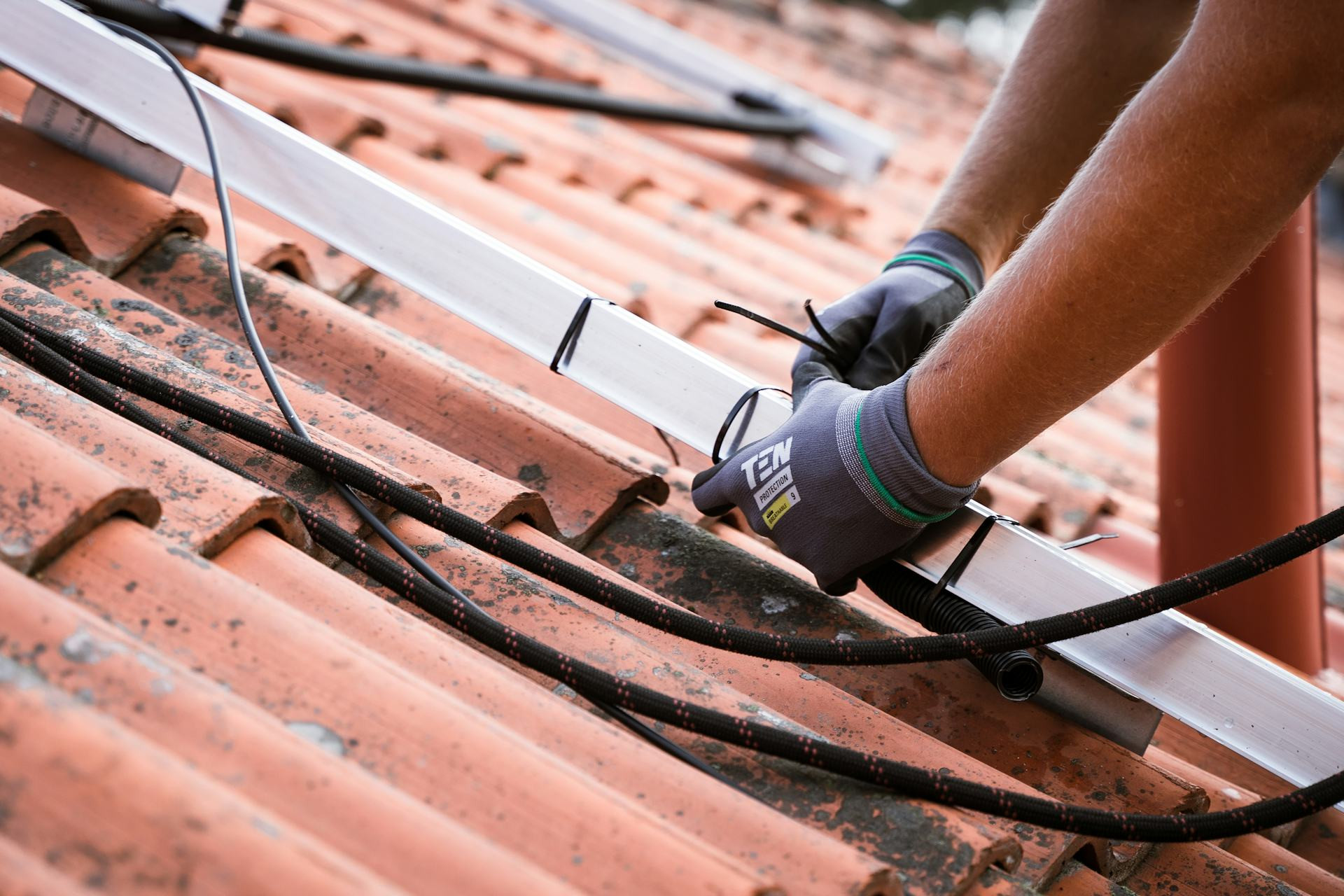
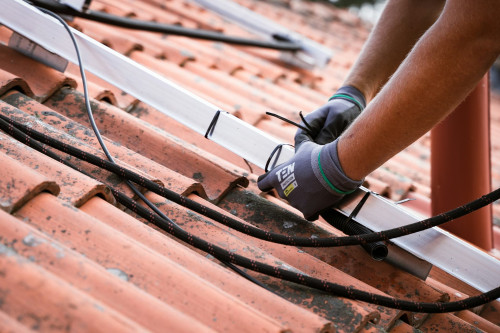
Solar roofs must be installed safely and in compliance with the National Electrical Code (NEC). That means the work should be done by a licensed electrician or certified solar installer who can ensure the system meets all safety and performance standards.
If you plan to connect your system to the grid, you’ll need approval from your utility company. Most utilities require an interconnection agreement, which outlines how your system will feed electricity back into the grid. If you generate more power than you use, you may qualify for net metering, allowing you to receive credits or payments for the excess energy you produce. Rules for net metering differ by state, so check with your utility or state energy office for details.
Taxes and Financial Incentives
Solar roofs can qualify for significant financial benefits. The federal Investment Tax Credit (ITC) currently allows homeowners to deduct a percentage of the installation cost from their federal taxes. Many states and municipalities also offer rebates, property tax exemptions, or sales tax incentives for solar energy systems.
If your system produces more electricity than you consume and you sell that power back to the grid, you may need to report the income for tax purposes. It’s wise to consult a tax professional to understand how your solar investment affects your personal finances.
Grants and State Programs
Beyond federal incentives, many states and utilities offer solar rebate programs or low-interest financing for renewable energy projects. For example, California, New York, and Massachusetts have long-running programs that help offset installation costs. Some utilities also provide performance-based incentives, paying you for the energy your system generates over time.
Because these programs change frequently, check the Database of State Incentives for Renewables & Efficiency (DSIRE) for the most up-to-date information in your area.
Neighborhood Considerations and Aesthetics
Even though solar roofs are designed to be visually appealing, it’s courteous to discuss your plans with neighbors—especially if your roof faces their property. Glare and reflections are rare with modern solar materials, but open communication can prevent misunderstandings.
Choose a design that complements your home’s architecture. Today’s solar shingles and tiles come in various colors and finishes, allowing you to balance efficiency with curb appeal.
Insurance and Maintenance
Before installation, contact your home insurance provider to confirm that your solar roof will be covered. Some insurers require that the system be installed by a certified professional and inspected after completion. You may need to adjust your coverage to include the value of the solar equipment.
Solar roofs generally require little maintenance, but it’s smart to schedule periodic inspections—especially after severe weather. A professional checkup can ensure your system continues to operate safely and efficiently.
Læs også:
Getting Started the Right Way
Before you move forward, make sure to:
- Check local building and zoning rules – Contact your city or HOA early in the process.
- Hire a qualified installer – Look for licensed professionals with solar certification.
- Review incentives and tax credits – Federal and state programs can significantly reduce costs.
- Compare quotes – Evaluate warranties, materials, and long-term performance.
- Update your insurance and maintenance plan – Protect your investment from day one.
A solar roof is a long-term investment that can pay off through lower energy bills and increased home value. With the right preparation and understanding of the regulations, you can confidently take the next step toward a cleaner, more sustainable home.
Læs også: