From Highway to Neighborhood Street: How Asphalt Machines Are Used in Large and Small Construction Projects

From Highway to Neighborhood Street: How Asphalt Machines Are Used in Large and Small Construction Projects
Asphalt machines are a cornerstone of modern American infrastructure. Whether it’s building a new interstate, resurfacing a city road, or paving a quiet suburban cul-de-sac, these machines ensure that the finished surface is smooth, durable, and safe. But how do they actually work, and what distinguishes large-scale highway projects from smaller neighborhood jobs? Here’s a closer look at how asphalt machines are used across the spectrum of U.S. construction projects.
From Raw Materials to a Finished Road
Asphalt is made from a blend of crushed stone, sand, filler, and bitumen—a petroleum-based binder that gives the mixture flexibility and water resistance. The mix is produced at an asphalt plant, where it’s heated to around 300°F before being transported to the job site in insulated trucks to maintain temperature.
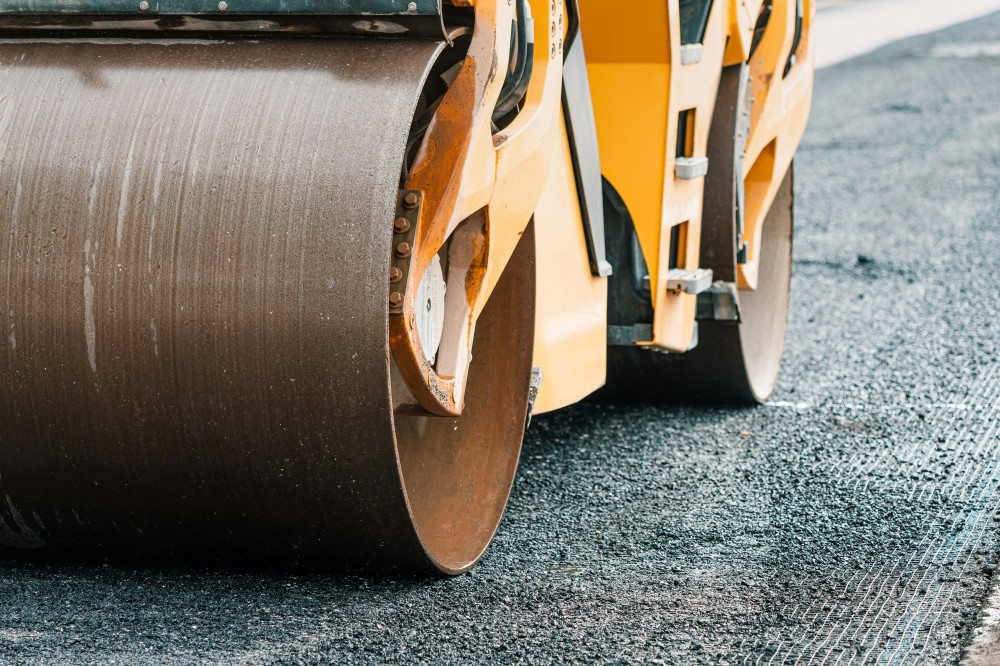
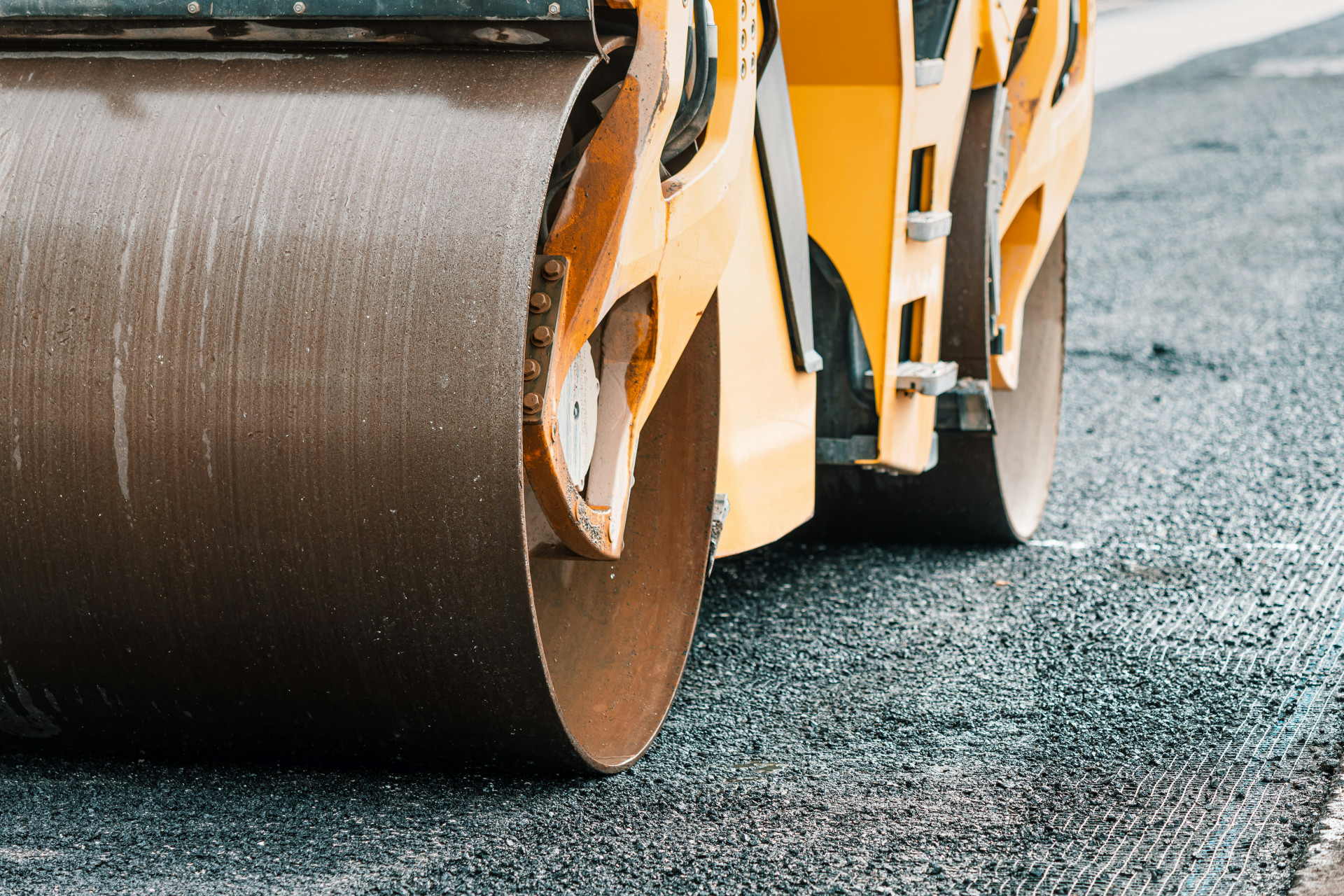
Once the hot mix arrives, timing is critical. If the asphalt cools too much, it becomes difficult to spread and compact properly. That’s where asphalt pavers come in. These machines distribute the asphalt evenly across the surface, laying down a precise layer that is then compacted by heavy rollers until it’s dense and smooth.
The Big Jobs: Highways and Major Arteries
On highways and major roadways, the focus is on efficiency and precision at scale. Large pavers capable of covering wide sections of pavement are used, often working in tandem with multiple rollers that follow in a carefully coordinated sequence.
Modern highway paving relies heavily on technology. GPS-guided systems and laser sensors help ensure that the asphalt layer is uniform in thickness and that the slope matches the road’s design for proper drainage and driving comfort. These projects often involve multiple layers of asphalt—a base layer for strength, a binder layer for stability, and a surface layer for smoothness and durability.
Because highways are vital transportation routes, work is often done around the clock to minimize disruption. Coordination between machine operators, truck drivers, and engineers is essential to keep the process moving efficiently and safely.
The Smaller Jobs: Neighborhood Streets, Driveways, and Parking Lots
When the work shifts from interstate to neighborhood, the scale and approach change dramatically. Space is tighter, and machines must maneuver around curbs, driveways, and landscaping. Smaller pavers and compact rollers are used to achieve precision in confined areas.
In residential and commercial settings, appearance can be just as important as function. The surface must blend with its surroundings, and there may be specific requirements for color, texture, or noise reduction. Specialized asphalt mixes—such as porous or decorative varieties—are sometimes used to meet these needs.
Even though these projects are smaller, they demand the same level of skill and attention to detail. Poor compaction or uneven surfaces can lead to cracks and potholes, resulting in costly repairs down the line.
Læs også:
Innovation and Sustainability on the Rise
The asphalt industry in the U.S. is evolving rapidly, driven by technology and environmental goals. Recycled asphalt pavement (RAP) is now widely used, reducing both material costs and carbon emissions. Many modern pavers can also handle warm-mix asphalt, which is produced at lower temperatures, saving energy and reducing fumes during application.
Digital monitoring systems are becoming standard, allowing crews to track temperature, thickness, and compaction in real time. This data-driven approach improves quality control and reduces waste—whether the project is a multi-lane highway or a small-town street.
A Partnership Between Machines and People
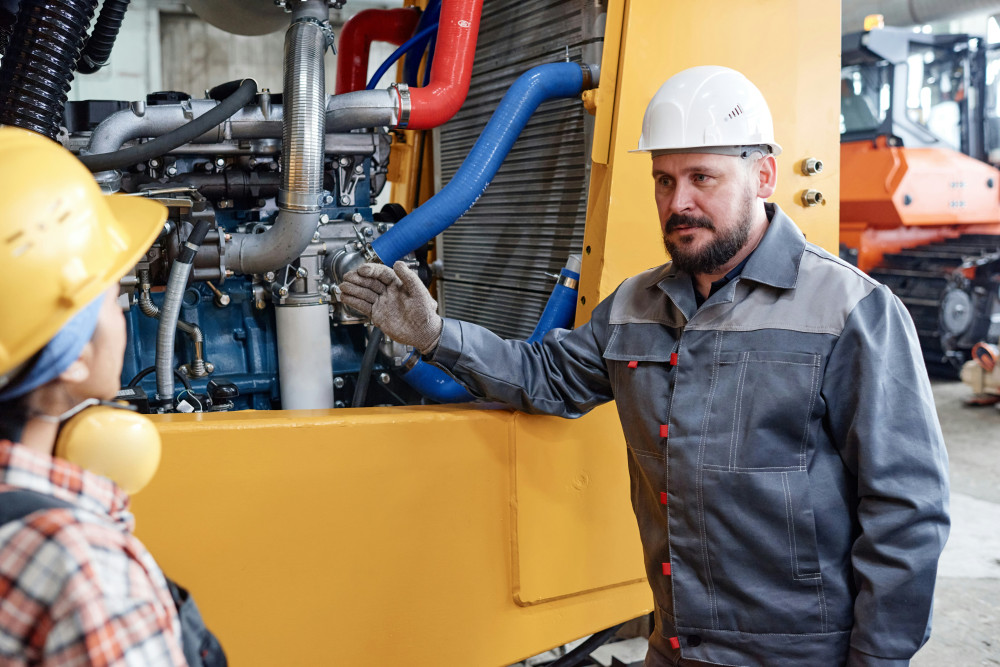
Despite the technological advances, skilled workers remain at the heart of every successful paving project. Operators must read the surface, adjust the machine settings, and respond to changing conditions on the fly. It’s a craft that combines technical knowledge with hands-on experience.
From the nation’s busiest interstates to the quietest neighborhood streets, asphalt machines represent the blend of heavy machinery, engineering precision, and human expertise that keeps America’s roads connected and resilient. Without them, the smooth rides we take for granted would quickly crumble beneath our wheels.
Læs også: