Wheels or Tracks? How to Choose the Right Loader for the Job

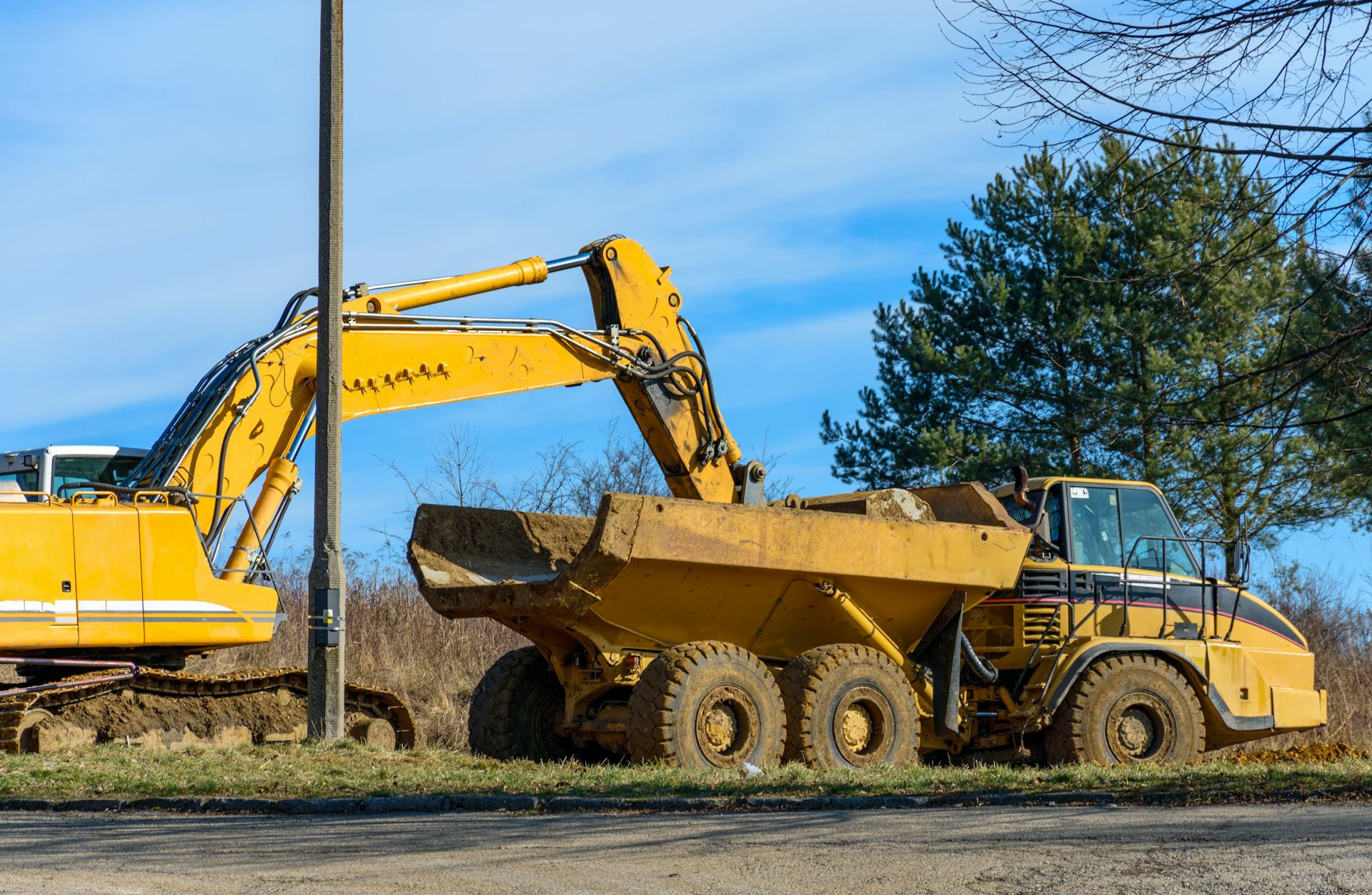
Wheels or Tracks? How to Choose the Right Loader for the Job
When it’s time to choose a loader, one of the first questions to ask is: should it have wheels or tracks? The answer can make a big difference in performance, stability, fuel efficiency, and how effectively you get the job done. Here’s a guide to help you pick the right type for your project—whether you’re working on a construction site, a farm, or an industrial yard.
Wheel Loaders – Fast and Flexible on Solid Ground
Wheel loaders are the go-to choice for most construction and material-handling jobs on firm, even surfaces. They’re quick, maneuverable, and easy to transport between job sites.
Advantages of wheel loaders:
- Higher travel speed: Wheel loaders move faster than tracked machines, making them ideal for jobs that require moving materials over longer distances.
- Better fuel efficiency: Less rolling resistance means lower fuel consumption.
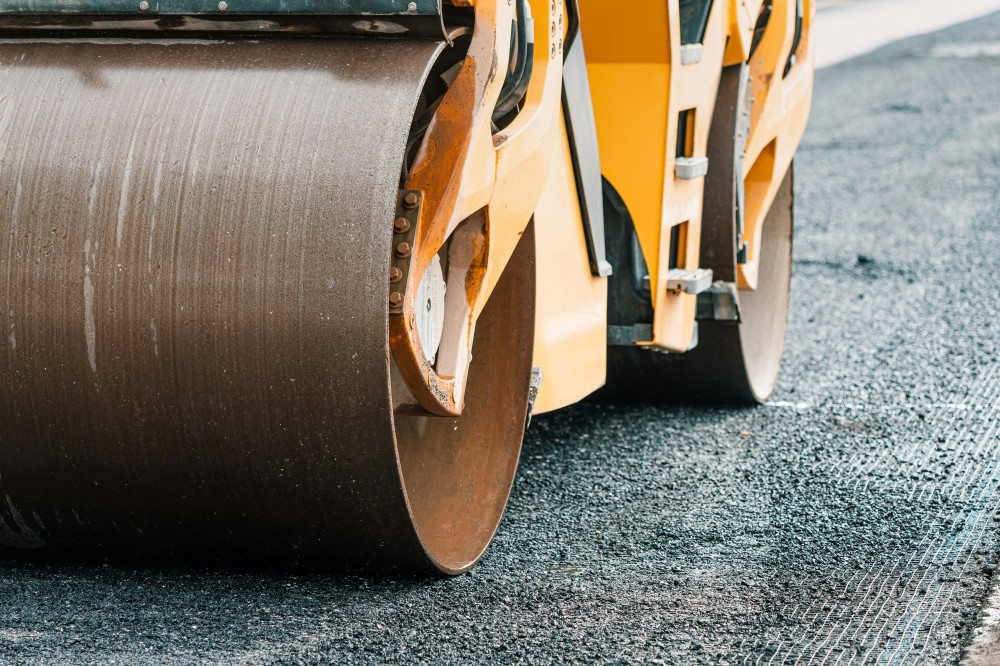
- Surface-friendly: On asphalt, concrete, or paved yards, wheels cause less surface damage.
- Easier maintenance: Tires are simpler and cheaper to replace than tracks.
Disadvantages:
- Limited traction on soft, muddy, or uneven ground.
- Less stability on slopes or loose terrain.
Wheel loaders are a great fit for urban construction, roadwork, and agricultural operations where mobility and speed are key.
Læs også:
Track Loaders – Power and Stability in Tough Terrain
Track loaders are built for challenging conditions. Their weight is distributed over a larger surface area, providing superior traction and stability on soft, wet, or uneven ground.
Advantages of track loaders:
- Excellent traction: They perform well in mud, sand, snow, and on slopes.
- Superior stability: The wide contact area reduces the risk of sinking or tipping.
- Heavy-duty performance: Track loaders handle heavier loads and demanding tasks with ease.
Disadvantages:
- Slower travel speed: Tracks move more slowly than wheels.
- Higher fuel use: Increased friction means more energy consumption.
- More wear and maintenance: Tracks and undercarriages require regular inspection and replacement.
- Transport challenges: Heavier weight often means special transport between job sites.
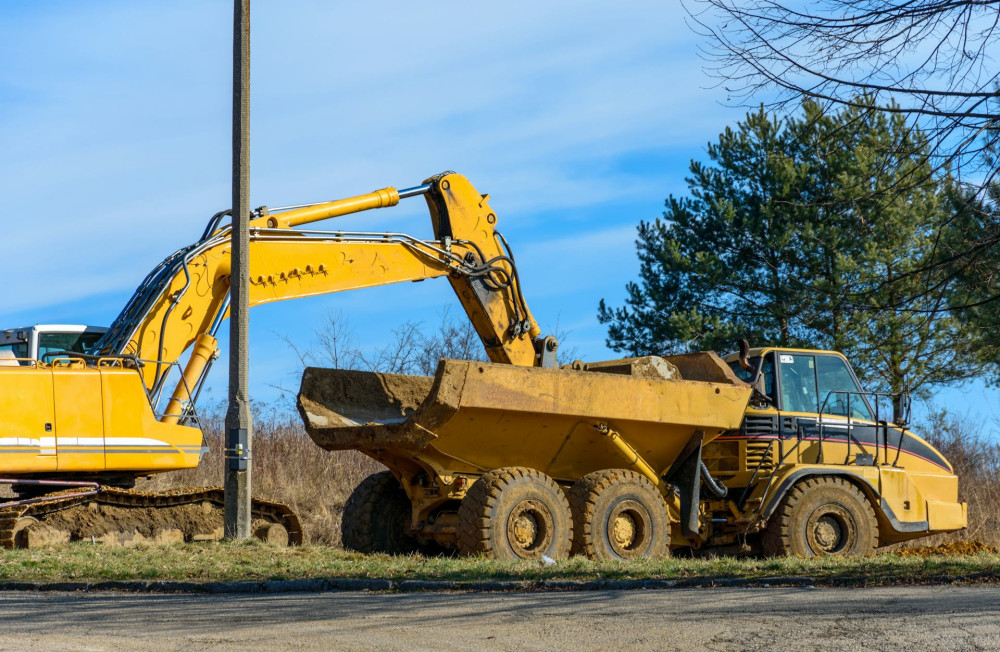
Track loaders are the preferred choice for earthmoving, forestry, and large-scale construction projects where terrain conditions are demanding.
Match the Machine to the Job
Choosing between wheels and tracks ultimately comes down to matching the machine to your work environment. Ask yourself these key questions:
- What’s the ground condition? Firm and level—go with wheels. Soft, uneven, or sloped—choose tracks.
- How often will the machine move between sites? If mobility is important, a wheel loader is more practical.
- How heavy are the materials? Track loaders handle the heaviest loads best.
- Are you working on sensitive surfaces? On asphalt or concrete, wheels are less likely to cause damage.
A good rule of thumb: wheel loaders excel in mobility and versatility, while track loaders win in traction and stability.
Hybrid Options and Modern Alternatives
Today’s market also offers hybrid solutions—machines with interchangeable undercarriages or specialized tires and tracks. These allow operators to adapt to seasonal changes or different job types.
Compact loaders and mini loaders are also gaining popularity, especially in urban areas where space is limited. Here, wheeled machines with low ground pressure or rubber tracks can offer a smart balance between mobility and stability.
Safety and Maintenance
No matter which type you choose, proper maintenance is essential for safety and longevity. Check tire pressure or track tension regularly, and keep the undercarriage clean from debris. A well-maintained loader not only performs better but also saves fuel and reduces downtime.
Conclusion: The Right Loader for the Right Job
There’s no one-size-fits-all answer. Wheel loaders are fast, efficient, and economical on solid ground, while track loaders are indispensable in rough terrain and heavy-duty conditions. The key is to evaluate where and how the machine will be used—and choose the option that delivers the best performance and durability for your work.
Læs også: