Keep Your Pavement Looking Great: How to Maintain and Protect It for a Longer Lifespan

Keep Your Pavement Looking Great: How to Maintain and Protect It for a Longer Lifespan
A clean, well‑kept driveway or walkway doesn’t just boost your home’s curb appeal—it also helps your pavement last longer. Whether your surface is asphalt, concrete, or pavers, regular maintenance prevents cracks, weeds, and stains from taking over. With a few simple habits, you can avoid costly repairs and keep your pavement looking great for years. Here’s how to care for and protect it season after season.
Start with a Thorough Cleaning
Before you can assess your pavement’s condition, it needs to be clean. Dirt, leaves, and oil buildup not only make it look dull but can also trap moisture and cause damage over time.
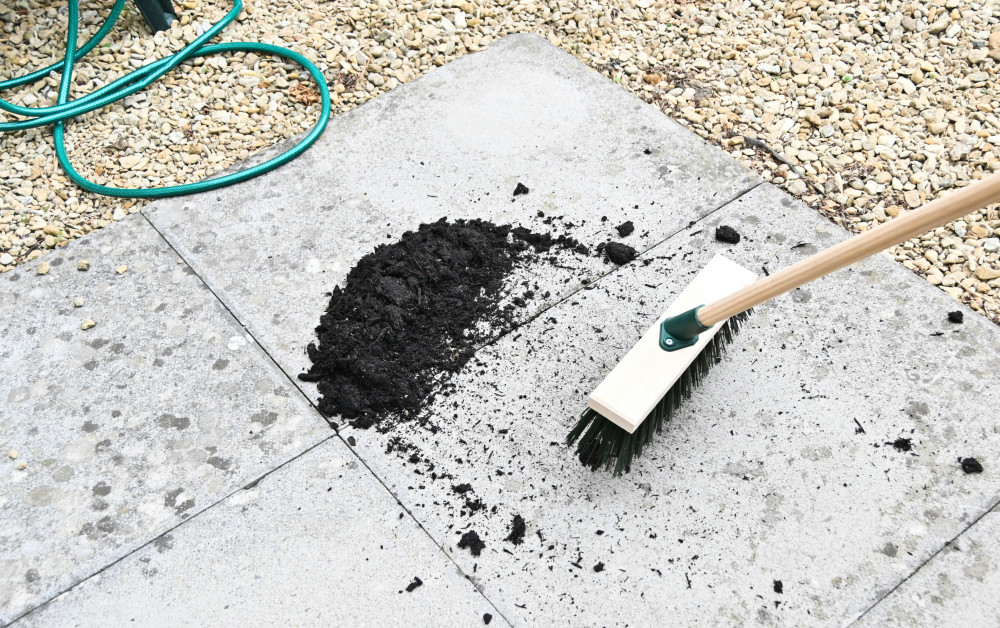
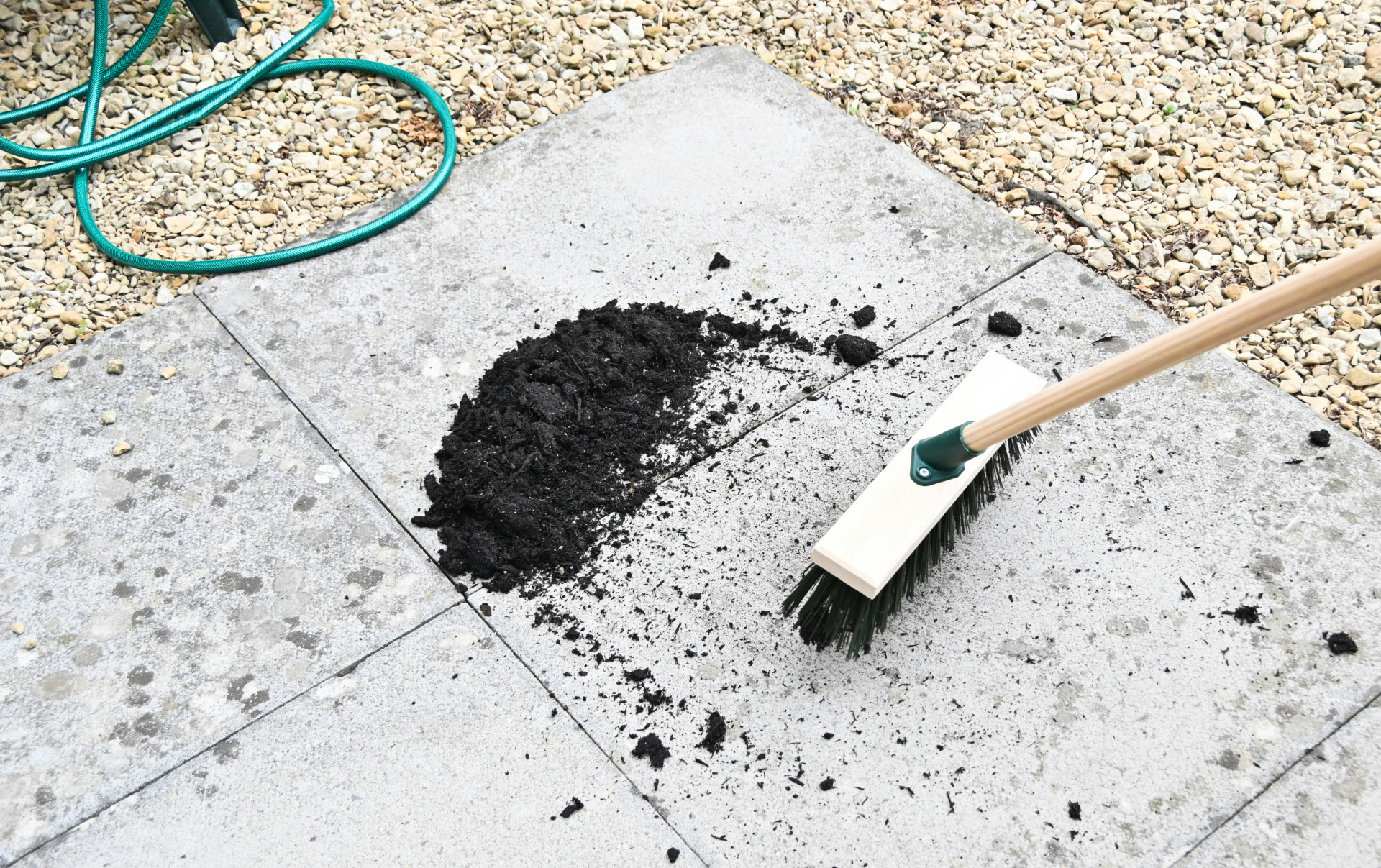
- Sweep regularly – Debris like sand, leaves, and soil hold moisture and encourage weed growth. A quick sweep every couple of weeks keeps the surface clear.
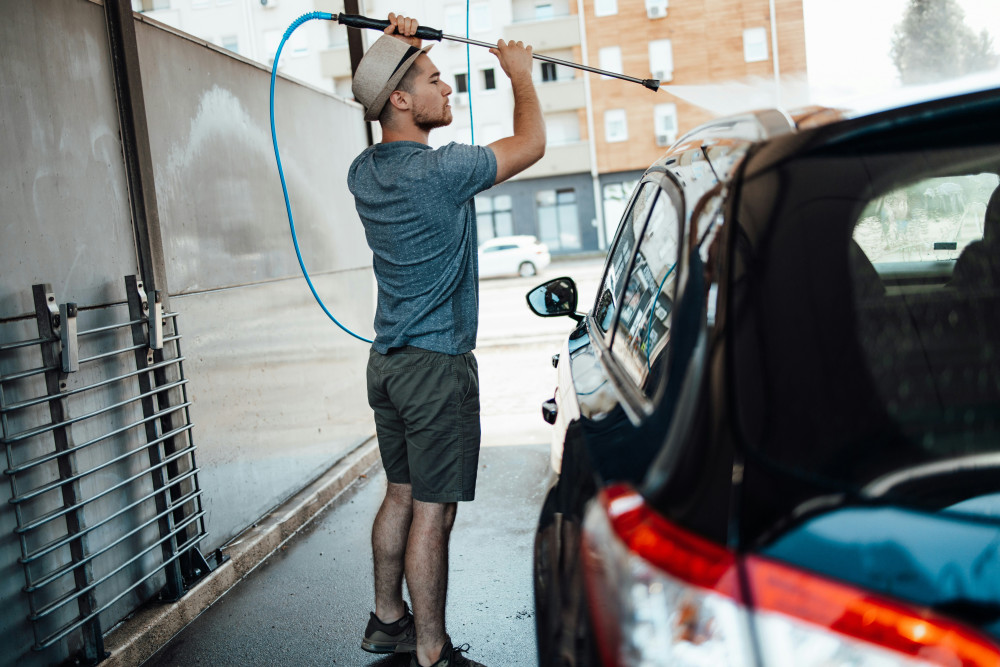
- Use a pressure washer carefully – Too much pressure can damage concrete or wash away joint sand between pavers. Use a fan nozzle and keep the wand moving.
- Choose eco‑friendly cleaners – Avoid harsh chemicals that can harm your lawn or local waterways. Biodegradable degreasers and mild detergents work well for most stains.
Once the surface is clean, you’ll have a better view of any cracks or areas that need repair.
Keep Weeds Under Control
Weeds sprouting through cracks or joints can make even the nicest pavement look neglected. Their roots can also widen gaps and cause shifting over time.
- Refill joints – For paver driveways or patios, sweep polymeric sand into the joints after cleaning. It hardens slightly and helps block weed growth.
- Remove weeds early – Pull or brush out small sprouts before they take hold. A stiff brush or a weed torch can make the job easier.
- Seal cracks in asphalt or concrete – Use a crack filler or sealant to keep weeds and water from getting in.
Staying on top of weeds a few times a year prevents bigger problems later.
Prevent Stains, Algae, and Discoloration
Moisture and shade can lead to algae or mildew, especially in humid regions. Oil and rust stains are also common on driveways.
- Ensure proper drainage – Standing water accelerates wear and encourages algae growth. Check that gutters and downspouts direct water away from paved areas.
- Treat stains promptly – Use a degreaser for oil spots and a mild bleach solution for mildew. Always test cleaners on a small area first.
- Consider sealing the surface – A quality sealer adds a protective layer that resists stains, moisture, and UV damage. For asphalt, reseal every 2–3 years; for concrete, every 3–5 years is usually enough.
A sealed surface not only looks better but also lasts longer.
Repair Damage Before It Spreads
Small cracks and holes can quickly turn into major issues if ignored—especially in areas with freeze‑thaw cycles.
- Fill cracks early – Use asphalt crack filler or concrete patching compound to prevent water infiltration.
- Fix uneven areas – If pavers have shifted, lift them, level the base with sand or gravel, and reset them.
- Address drainage issues – Puddles or sinking spots may indicate a problem with the base layer that needs attention.
Timely repairs save you from expensive resurfacing later on.
Læs også:

Schedule an Annual Inspection
A yearly checkup—ideally in spring—helps you catch small problems before they grow. Walk your driveway or patio and look for:
- Cracks or potholes
- Weeds or moss in shaded areas
- Faded or worn sealer
- Signs of poor drainage or erosion
A few hours of maintenance each year can extend your pavement’s life by many seasons.
Build Good Habits for Long‑Term Results
Keeping your pavement in top shape doesn’t require constant effort—just consistency. Sweep regularly, clean up spills quickly, and reseal when needed. Avoid parking heavy vehicles in the same spot for long periods, and keep an eye on how water drains after heavy rain.
A well‑maintained driveway or walkway not only enhances your home’s appearance but also protects your investment. With a little routine care, your pavement will stay strong, safe, and attractive for years to come.
Læs også: