Why Lag Screws Are the Top Choice for Construction and Woodworking

Why Lag Screws Are the Top Choice for Construction and Woodworking
Strength in construction rarely announces itself. It stays hidden behind finished walls, steady decks, and furniture that never creaks. You rely on connections that hold without complaint, even under constant stress.
In such environments, lag screws earn trust quietly, through performance that feels almost reassuring. Their role becomes clearer when you examine how stability, load control, and long-term reliability shape every successful build.
Why Lag Screws Deliver Structural Confidence in Wood Assemblies
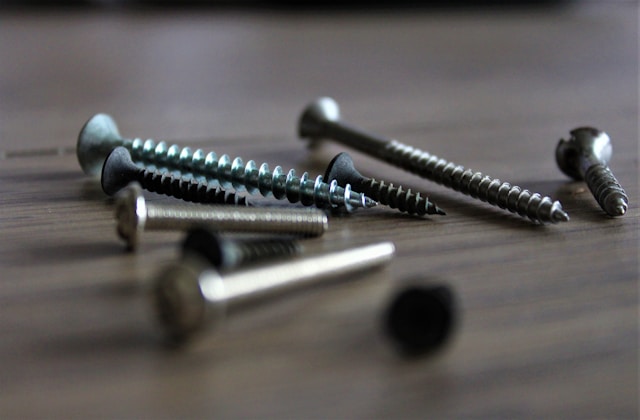
You expect joints to remain firm long after installation, regardless of movement or weight. The coarse threading of lag screws grips deep into wood fibres, reducing micro movement over time. These elements meet expectation through their design and application logic.
The hex head design supports controlled torque, helping you achieve consistent pressure without stripping materials. This controlled engagement matters when safety and durability carry equal importance.
- Deep threads distribute load evenly across timber sections, reducing stress concentration.
- Thicker shanks resist bending under sustained weight and vibration exposure.
- Wider heads improve surface contact, supporting washers for added load stability.
Lag Screws and Load Management in Long Term Construction Projects
You often work with structures that face daily stress from weight, weather, and human activity. Lag screws perform well because they manage these pressures without fatigue. Their holding strength supports beams, frames, and heavy fixtures with dependable consistency.
When timber expands or contracts, the thread design maintains grip without encouraging cracks. This balance protects both the fastener and the surrounding material. For long span connections, this stability becomes essential rather than optional.
Lag Screws as a Practical Choice for Precision Woodworking
You also value precision, especially in visible woodwork where alignment matters. Lag screws allow controlled installation depth, ensuring clean joins without surface damage. Their predictability supports repeatable results across multiple assemblies.
This reliability supports confident planning, fewer adjustments, and smoother project timelines. You spend less time correcting joins and more time refining craftsmanship.
Conclusion
You choose fastening solutions that respect structure, safety, and time. Lag screws support these priorities through strength, control, and consistency. Their quiet reliability keeps constructions stable, allowing finished work to perform as intended, year after year.