Eco-Friendly Sewer Cleaning: How to Do It Safely for the Environment

Eco-Friendly Sewer Cleaning: How to Do It Safely for the Environment
Your home’s sewer system is one of those things you rarely think about—until something goes wrong. A clogged drain or backed-up sewer line can cause unpleasant odors, water damage, and expensive repairs. But many traditional cleaning methods rely on harsh chemicals that can harm the environment and even damage your plumbing. Fortunately, there are safer, greener ways to keep your system running smoothly. Here’s how to clean and maintain your sewer lines in an eco-friendly way that protects both your home and the planet.
Why Go Green?
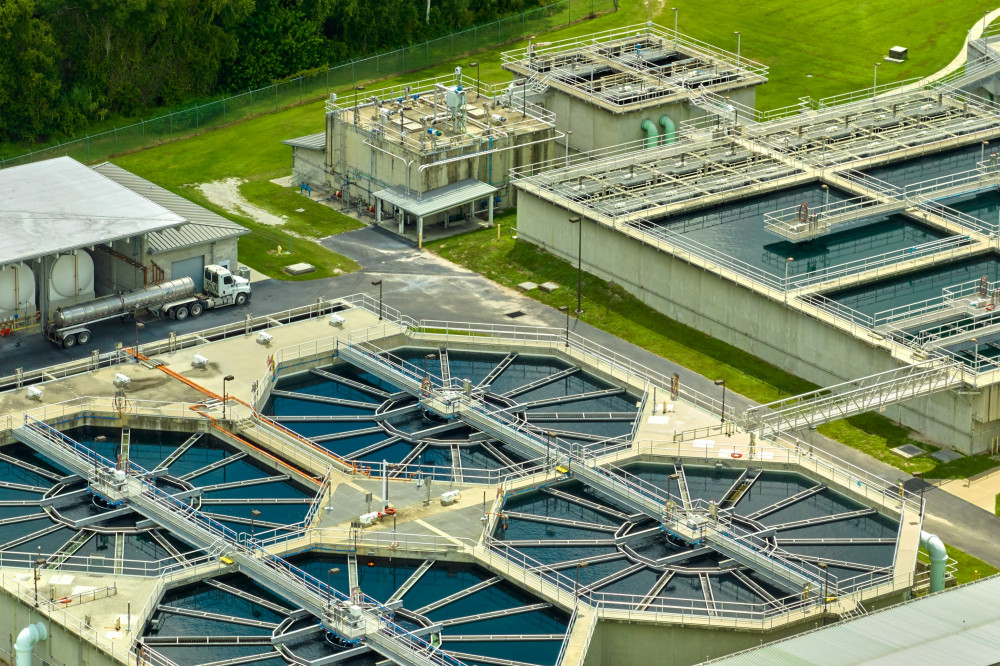
When you pour chemical drain cleaners down the sink, they don’t just disappear. Many of these substances end up in wastewater systems and eventually in rivers, lakes, and oceans. There, they can harm aquatic life and disrupt ecosystems. They can also interfere with wastewater treatment plants, which rely on beneficial bacteria to break down organic matter.
By choosing eco-friendly cleaning methods, you reduce pollution, protect wildlife, and often extend the life of your pipes—since you’re avoiding corrosive substances that can wear them down over time.
Prevention Is the Best Cleaning
The most environmentally friendly sewer cleaning is the one you never have to do. With a few simple habits, you can prevent clogs and keep your system healthy:
- Keep grease out of the drain – Never pour cooking oil or grease down the sink. Instead, collect it in a container and dispose of it with your household trash or at a local recycling center that accepts used cooking oil.
- Use drain strainers – A small mesh strainer in your kitchen sink and shower drain can catch food scraps, hair, and debris before they enter your pipes.
- Flush only toilet paper – Items like wipes, cotton swabs, and feminine hygiene products belong in the trash, not the toilet.
- Run plenty of water – After using appliances like dishwashers or washing machines, run extra water to help flush out soap and residue.
These small steps can make a big difference for both your plumbing and the environment.
Eco-Friendly Cleaning Methods
If you do end up with a clog or slow drain, there are several safe and effective ways to clear it without resorting to harsh chemicals.
1. Hot Water and Natural Ingredients
A simple mixture of hot water, baking soda, and vinegar can work wonders. Pour half a cup of baking soda into the drain, followed by a cup of vinegar. Let it fizz for 10–15 minutes, then flush with hot water. This natural reaction helps break down grease and grime without harming your pipes or the environment.
2. Mechanical Cleaning
A plunger or a hand-crank drain snake can often remove blockages effectively. These tools require a bit of elbow grease but are completely chemical-free and reusable.
3. Professional Hydro Jetting
For deeper or more stubborn clogs, professional plumbers can perform hydro jetting—a process that uses high-pressure water to clear buildup inside pipes. It’s one of the most environmentally friendly professional methods since it relies solely on water, not chemicals.
Avoid Chemical Drain Cleaners
Many commercial drain cleaners contain strong acids or bases that can corrode pipes, harm septic systems, and pollute waterways. They can also pose health risks if inhaled or handled improperly. If you must use a store-bought product, look for biodegradable or eco-certified options that are designed to minimize environmental impact.
Regular Maintenance and Inspection
A well-functioning sewer system needs regular attention. Consider scheduling a video inspection every few years, especially if you live in an older home. This can help detect early signs of damage or buildup before they turn into costly problems.
If your household produces a lot of grease or sediment, you might also consider installing a grease trap or sediment interceptor to prevent these materials from entering your sewer line.
Læs også:


Think Beyond the Drain
Your home’s sewer system is part of a much larger network that connects to local waterways and ecosystems. Everything you pour down the drain eventually affects the environment around you. By choosing eco-friendly cleaning methods and practicing prevention, you’re helping to protect clean water, healthy soil, and a sustainable future.
Eco-friendly sewer cleaning isn’t just about avoiding chemicals—it’s about taking responsibility for the hidden systems that keep our homes and communities running smoothly while caring for the planet we all share.
Læs også: