Properly Placed Manhole – The Key to an Efficient Sewer and Drainage System


Properly Placed Manhole – The Key to an Efficient Sewer and Drainage System
A well-functioning sewer and drainage system starts with careful planning—and the placement of manholes plays a crucial role in that process. Manholes are not just access points to underground pipes; they are essential for ensuring that wastewater and stormwater flow efficiently, and that the system can be inspected and maintained when needed. A poorly placed manhole can lead to blockages, backups, and costly repairs. Here’s why proper placement matters and how it contributes to a reliable and efficient drainage system.
What Is a Manhole—and Why Does It Matter?
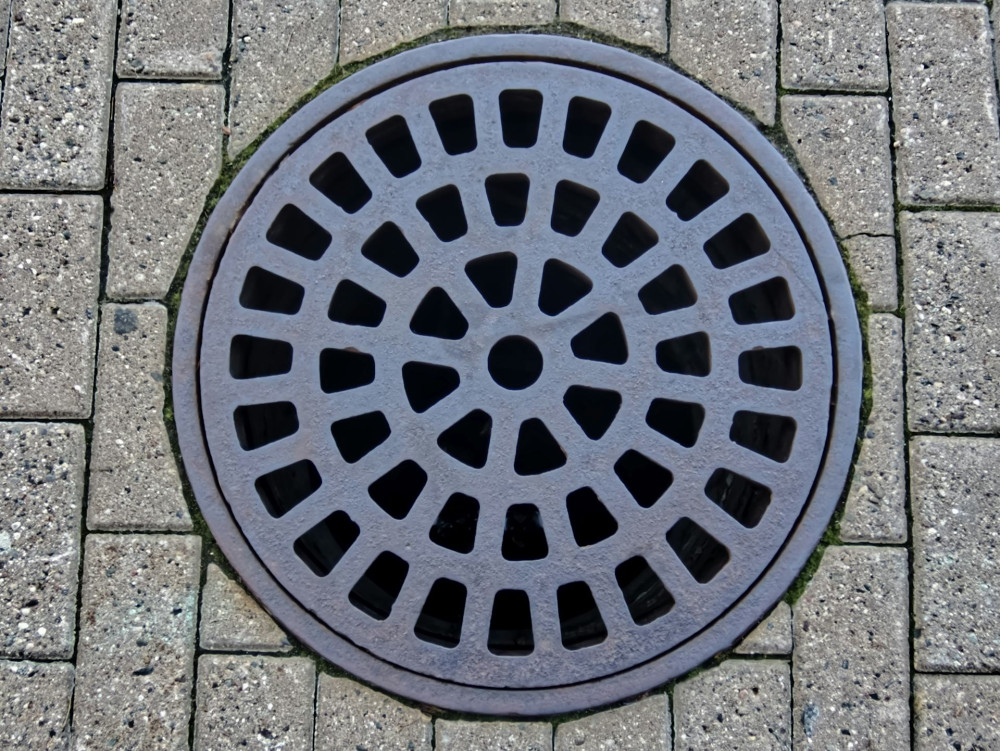
In sewer and drainage systems, a manhole is an access chamber that allows maintenance crews to inspect, clean, and repair underground pipes. Manholes are typically installed where pipes change direction, slope, or diameter, and where multiple lines connect. They serve as critical checkpoints that make it possible to monitor the condition of the system and address issues before they escalate.
Without properly placed manholes, maintenance becomes difficult or even impossible. Small clogs can turn into major blockages, and unnoticed leaks can cause soil erosion or damage to nearby structures.
Proper Placement—More Than Just a Construction Detail
Manhole placement is not simply a matter of convenience or aesthetics. It must be planned based on function, terrain, and accessibility. As a general rule, manholes should be installed at every change in direction, at pipe junctions, and at regular intervals along long pipe runs to allow for inspection and cleaning.
Accessibility is key. Manholes should never be buried under driveways, landscaping, or pavement that makes them difficult to locate or open. In residential areas, homeowners sometimes discover too late that a manhole has been paved over during a renovation, making maintenance far more complicated and expensive.
Common Placement Mistakes
Even small errors in placement can have serious consequences. Some of the most frequent mistakes include:
- Incorrect elevation – If a manhole is set too high or too low, it can disrupt the natural flow of water and cause backups.
- Missing manholes at direction changes – Without access points at bends or junctions, cleaning and inspection become difficult, increasing the risk of blockages.
- Inaccessible manholes – Covering a manhole with concrete, asphalt, or landscaping makes maintenance nearly impossible.
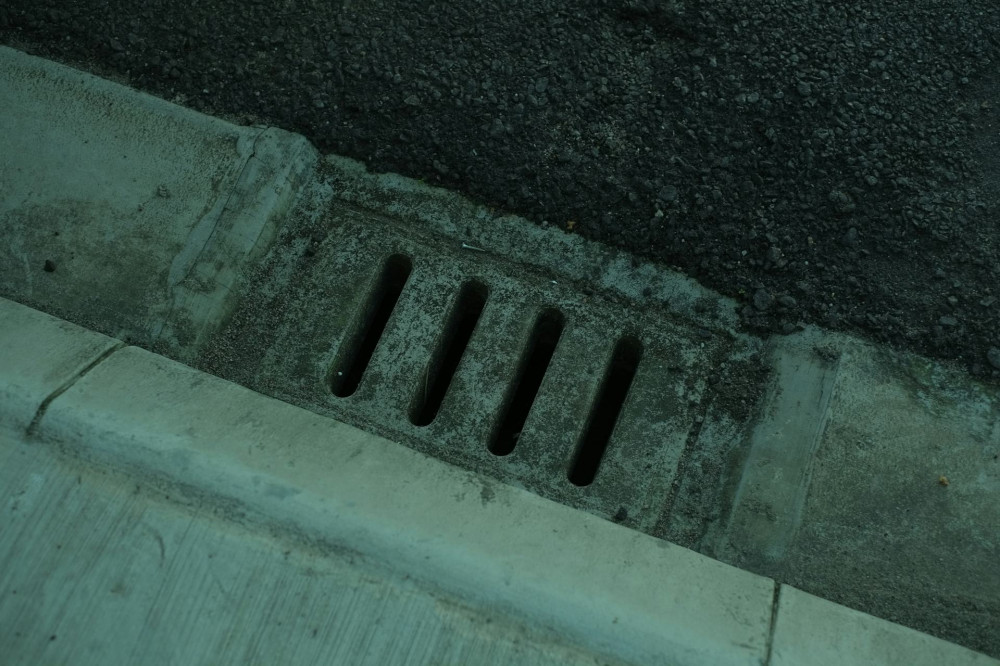
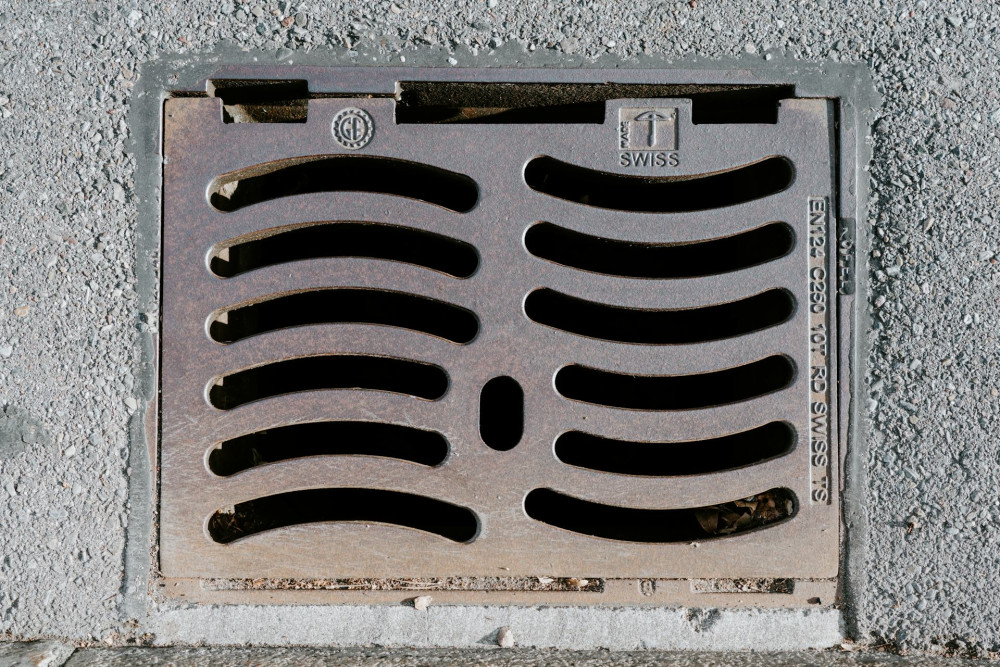
- Wrong type of manhole – Different applications require different designs. For example, stormwater systems may need catch basins to trap debris, while sanitary systems require sealed manholes to prevent infiltration.
Avoiding these mistakes requires both proper planning and adherence to local building codes and engineering standards.
Regulations and Responsibility—Who Can Do the Work?
In the United States, sewer and drainage work is regulated at the state and local levels. Most jurisdictions require that installation and modification of sewer systems be performed by licensed contractors or plumbers who are familiar with local codes and environmental regulations. Homeowners are responsible for maintaining the private portions of their sewer lines, typically from the house to the property line or connection point with the municipal system.
A qualified contractor or civil engineer can assess site conditions—such as soil type, slope, and groundwater levels—to determine the optimal placement of manholes. Proper design and installation not only ensure compliance with regulations but also protect your property from future problems.
Maintenance—Keeping Manholes in Good Condition
Even the best-placed manhole requires regular maintenance. Inspect covers periodically to ensure they are secure and free of debris. Look for signs of odor, standing water, or slow drainage, which may indicate a blockage. Municipalities often schedule routine inspections and cleaning, but property owners should also monitor private systems.
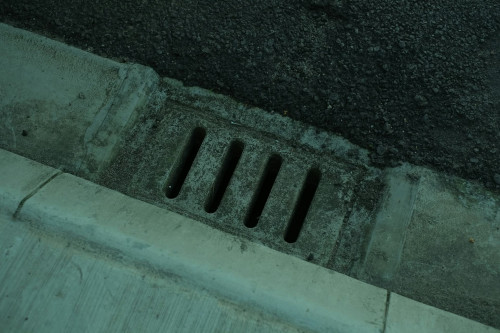
For stormwater systems, catch basins and sediment traps should be cleaned regularly to prevent buildup of sand, leaves, and debris. Preventive maintenance is a small investment that can save thousands of dollars in repairs and property damage.
Læs også:


A Smart Investment in Reliability and Safety
Properly placed manholes are more than just a technical requirement—they are an investment in the long-term health and efficiency of your sewer and drainage system. They make it easier to detect and fix problems early, reduce the risk of flooding or backups, and ensure that water flows where it should.
Whether you’re building a new system or upgrading an existing one, take the time to consult with a licensed professional about manhole placement. It’s a small detail that can make a big difference in performance, safety, and peace of mind.
Læs også: