Grease and Soap Residue in the Sewers: Why It’s Important to Act in Time


Grease and Soap Residue in the Sewers: Why It’s Important to Act in Time
When the water in your kitchen sink starts draining slowly or you notice an unpleasant odor coming from the drain, it’s often a sign that grease and soap residue have built up in your pipes. It might seem like a small inconvenience, but if you don’t act quickly, it can lead to clogged drains, backups, and costly repairs. Here’s why this happens—and what you can do to prevent it.
Why Grease and Soap Residue Are a Problem
Pouring grease, oil, or food scraps down the drain may seem harmless, especially when you rinse with hot water. But even small amounts can cause big problems over time. As grease cools, it solidifies and sticks to the inside of your pipes. Soap residue, hair, and other particles cling to it, gradually forming a thick blockage.
Soap can make matters worse. Many soaps contain fats that react with minerals in hard water, creating a hard, scaly buildup known as “soap scum.” Over time, this narrows the pipes and slows the flow of water. The result is poor drainage, foul smells, and eventually, a complete clog.
The Consequences of Waiting Too Long
A clogged drain isn’t just annoying—it can be expensive. When wastewater can’t flow freely, it can back up into sinks, bathtubs, or even basements, causing water damage and potential health hazards. In severe cases, sewage can back up into your home, requiring professional cleaning and disinfection.
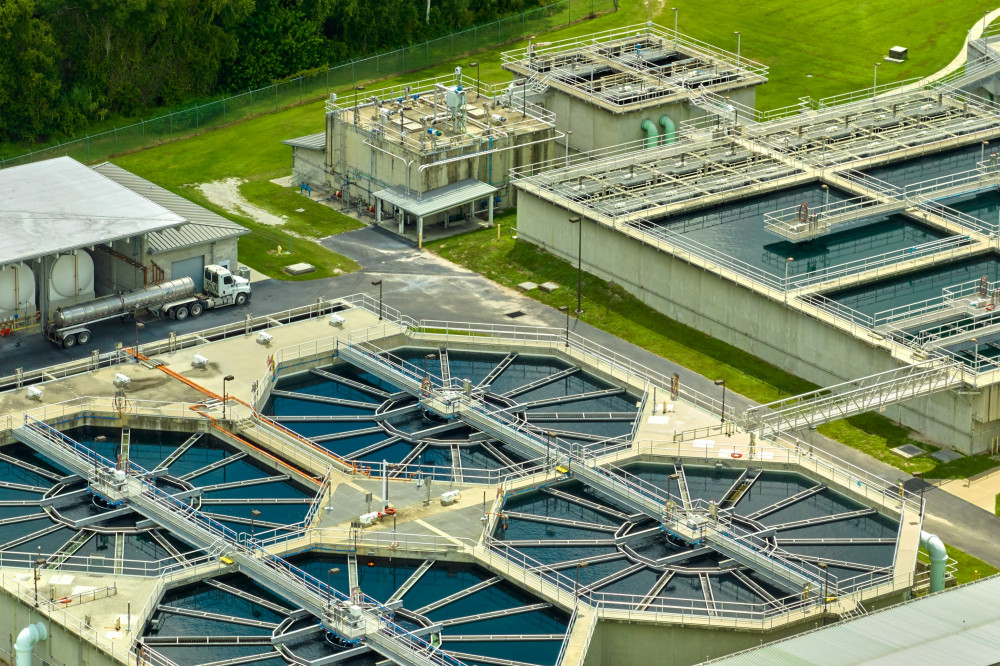
The problem doesn’t stop at your property line. When grease and soap residue enter the public sewer system, they can combine with other waste to form massive blockages known as “fatbergs.” Cities across the U.S.—from New York to San Francisco—have spent millions of dollars removing these solid masses from underground pipes. Preventing them starts with what we do at home.
Læs også:


How to Prevent the Problem
Fortunately, a few simple habits can help you avoid most issues with grease and soap buildup in your drains.
- Never pour grease down the drain. Let it cool, then scrape it into a container or wipe it up with a paper towel and throw it in the trash.
- Wipe pans and dishes before washing. Even small amounts of oil or fat can accumulate over time.
- Use a sink strainer. It catches food scraps and hair before they enter the pipes.
- Flush with hot water regularly. Once a week, pour a kettle of boiling water down the drain to help dissolve early grease deposits.
- Use soap sparingly. Too much soap not only wastes product but also contributes to buildup and environmental strain.
When the Damage Is Already Done
If your sink is draining slowly, try using a plunger or a drain snake to clear the blockage. Avoid relying too often on chemical drain cleaners—they can damage pipes and harm the environment. If the problem persists, it’s best to call a licensed plumber who can perform a professional cleaning or camera inspection.
While it may seem like an extra expense, early intervention is far cheaper than dealing with a full blockage or water damage later on.
A Shared Responsibility for a Healthy Sewer System
Although the problem begins in individual households, its effects reach far beyond. When many homes dispose of grease and soap down the drain, the risk of blockages in municipal sewers increases dramatically. That’s why it’s important for everyone to take responsibility—for both their own plumbing and the shared infrastructure that keeps our communities clean and safe.
By making small changes in your daily routine, you can save money, avoid headaches, and help maintain a more efficient and environmentally friendly sewer system for everyone.
Læs også: